
The inkjet printing technology for solar cell insulating adhesive adopts a non-contact inkjet process to precisely deposit insulating adhesive layers. It achieves effective insulation between fine grid electrodes and main grid electrodes, eliminating short-circuit risks. Nano-scale droplet control optimizes coating uniformity, which fits low-temperature processes such as HJT and reduces material waste while improving yield rate. Compatible with flexible substrates, this technology facilitates mass production and reliability improvement of high-efficiency back-contact cells.
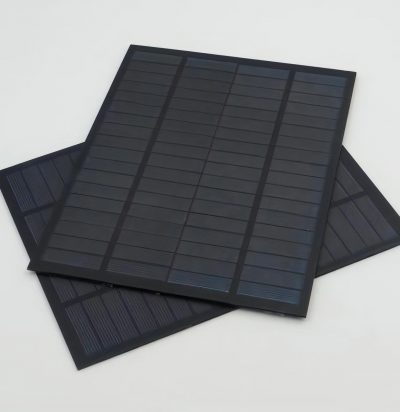
Insulating Adhesive Printing for Solar Cells
Advantages
- Non-contact Inkjet: Core process feature, preventing substrate damage caused by physical contact.
- Precise Deposition: Realizes targeted coverage of electrode structures with insulating adhesive layers to avoid short circuits.
- Nano-scale Droplet Control: Key technology to improve coating uniformity and optimize insulation performance.
- HJT Compatibility: Adaptable to low-temperature processes of heterojunction cells and reduce thermal damage risks.
- Flexible Substrate Compatibility: Enables flexible cell manufacturing and expands application scenarios.
Online Message
We would be glad to help you find the best coding and marking solution to fit your requirements.