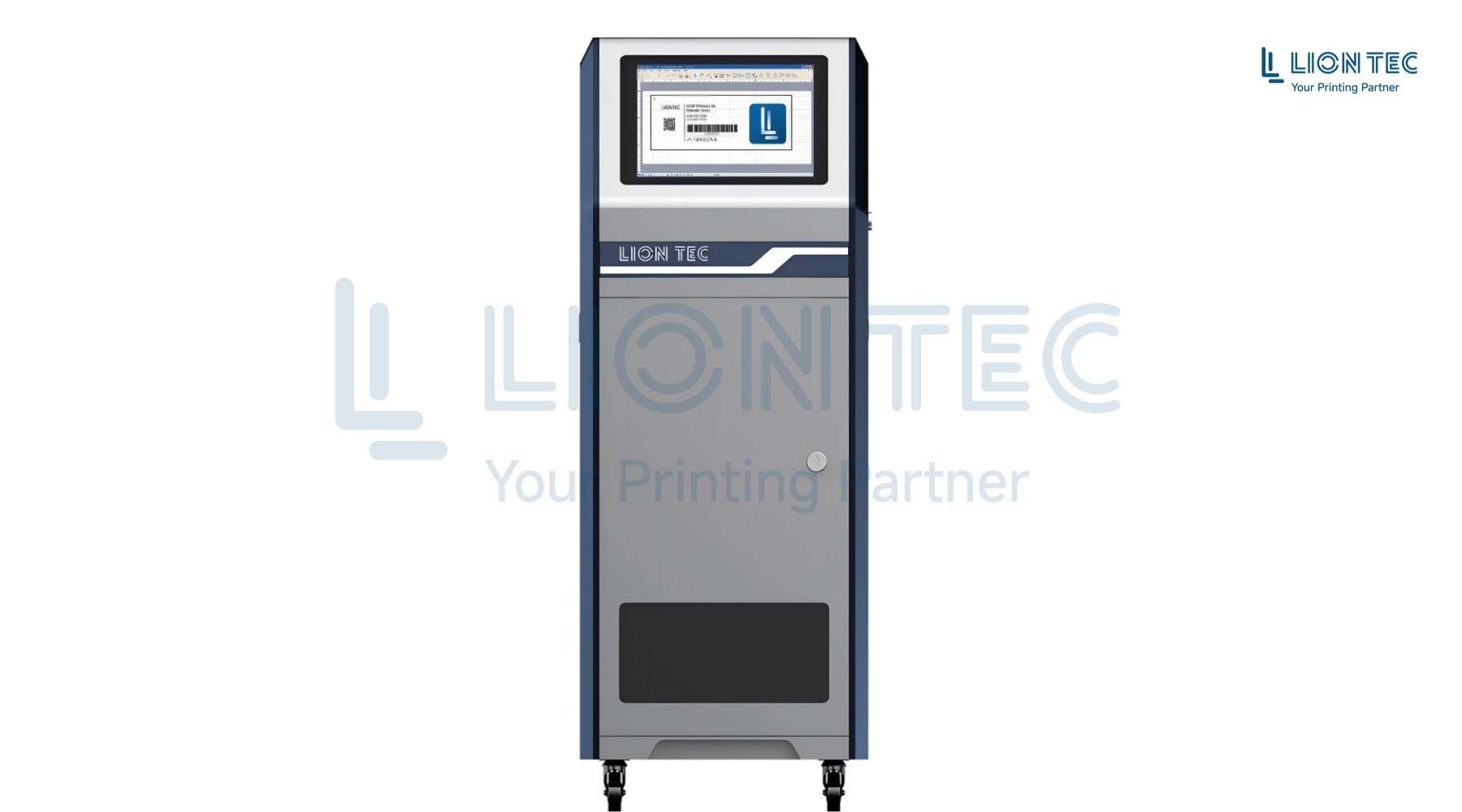
With the full rollout of mandatory UDI compliance regulations for medical devices across the industry, unique device identification, full-lifecycle traceability, and closed-loop regulatory data submission have become rigid global manufacturing standards. Traditional crude marking and coding methods no longer meet official audit requirements.
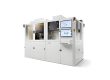
So how do industrial UV inkjet printers help medical manufacturers resolve UDI compliance challenges in one integrated turnkey system?
Professional FAQs for Industrial Inkjet Printer
Q1: We already apply UDI codes via adhesive labels. Why switch to UV inkjet printers?
Answer:
Label printing only works for simple paper outer packaging and fails to meet full-scenario UDI compliance standards. Adhesive labels carry three critical compliance risks:
- High-value reusable surgical instruments, minimally invasive disposable supplies, and small IVD accessories require permanent printing directly on device bodies. Stick-on labels easily peel off and corrode under disinfectant solvents, violating mandatory direct part printing rules and resulting in non-compliance.
- Manual labeling frequently causes skewed, wrinkled, missing or misapplied labels, leading to high scan failure rates during mass production. Multiple regulatory inspections have rejected batches due to blurry or misaligned UDI labels.
- Pre-printed static labels cannot sync real-time dynamic PI production data from MES systems. New custom labels must be ordered for every production batch, which raises overall costs. It also triggers mismatches between DI and PI codes, and blocks automatic data upload to UDI databases.
Q2: Laser printer can also print UDI codes, why is the UV inkjet solution the top choice for medical device UDI compliance?
Answer:
There are obvious differences in applicable scenarios between the two devices. Laser printing has material limitations, while UV inkjet printer fits full-category compliance demands in the medical & pharmaceutical industry:
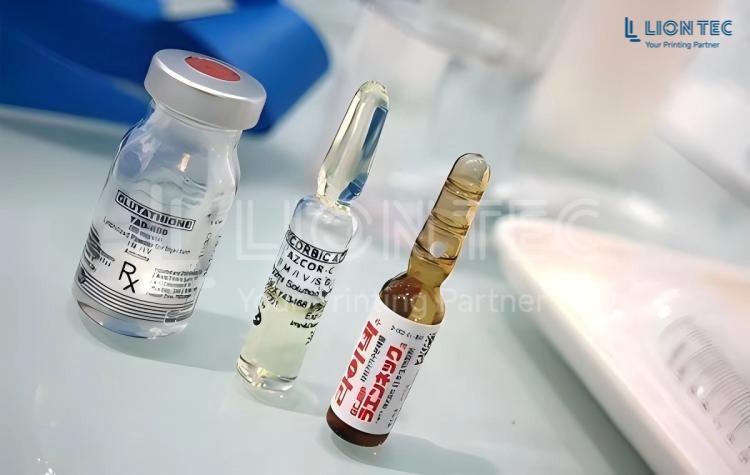
- Laser printing creates marks by burning substrates, which damages transparent reagent bottles, thin-wall medical plastic, soft dialysis packaging and other materials, easily leading to product scrap. UV inkjet adopts non-contact ink curing that never destroys raw medical materials, compatible with most medical packaging and device bodies.
- Laser codes deliver insufficient contrast on light transparent or white plastic products with blurry edges, making it hard to sustain a scanning recognition rate above 99% as required by regulatory standards. UV ink provides high color contrast and supports up to 1200 DPI high-precision printing for sharp, scannable permanent codes.
- Laser equipment lacks flexible adjustment for printing content and position, requiring repeated parameter debugging for multi-spec medical devices. UV inkjet printers support one-click template switching to enable flexible production for multiple product models. Equipped with eco-friendly low-VOC medical ink, they comply with pharmaceutical workshop safety standards without dust or high-temperature pollution risks.
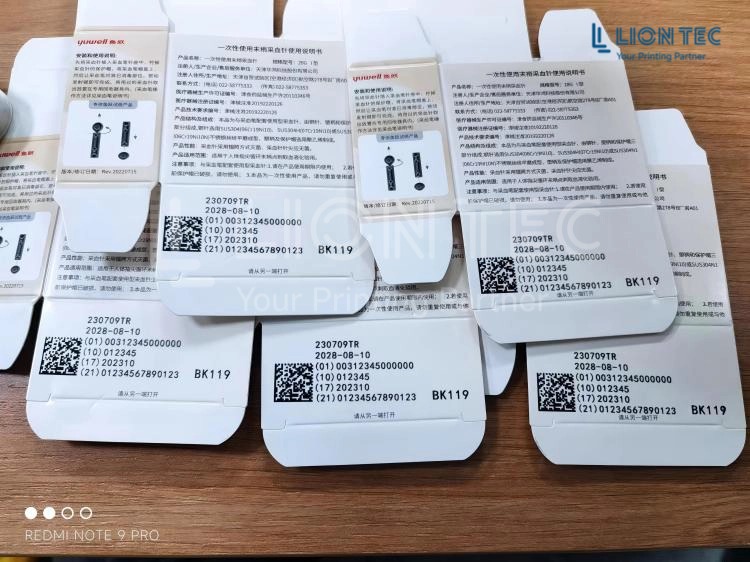
UV inkjet printers support direct part printing, real-time variable data printing and inline visual inspection, eliminating compliance risks caused by adhesive labels at the source. It covers full UDI printing scenarios including inner, middle & outer packaging plus direct printing on medical device bodies.
Advantages of UV Inkjet Printers for Medical Production Deployment
- Fully eliminate regulatory compliance risks and pass all medical authority inspections smoothly
- Compatible with all materials & full application scenarios to enable flexible production of diversified medical devices
- Automated end-to-end data interconnection to eliminate human operation errors
- Cut costs & boost efficiency; long-term overall production cost far lower than adhesive labeling and custom sticker solutions
- Empower enterprises with digital traceability, linking product circulation and medical insurance settlement workflows
Conclusion
Industrial inkjet printer breaks the material, process and data limitations of traditional printing solutions. Featuring variable data printing, permanent direct printing, automatic inline inspection and closed-loop data management, our all-in-one system fully satisfies UDI compliance standards for all types of medical devices and full-range packaging scenarios.
It not only helps manufacturers completely avoid operational risks such as regulatory penalties and product recalls, but also effectively cuts production costs, boosts efficiency and optimizes production workflows. It empowers medical device manufacturers to upgrade their production models and build a full-chain traceability management system. With solid compliance capabilities, companies can seize competitive advantages in the medical industry and achieve stable, sustainable long-term growth.