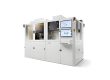
UV Inkjet Printers have become the core marking equipment for diversified packaging production. Against the trend of digital traceability upgrading in the packaging industry, traditional marking solutions including small-character inkjet printers, thermal transfer printers and self-adhesive labelers can barely meet production demands for diversified packaging formats such as laminated color cartons, aluminum foil flexible bags, plastic packaging and corrugated cartons.
Against the trend of digital traceability upgrading in the packaging industry, traditional marking solutions including small-character inkjet printers, thermal transfer printers and self-adhesive labelers can barely meet production demands for diversified packaging formats such as laminated color cartons, aluminum foil flexible bags, plastic packaging and corrugated cartons.
Many manufacturers are plagued by common production pain points: easily peeled-off marks, blurry graphics & texts, high consumable costs and failure to meet environmental compliance standards. So what core benefits can UV inkjet printers deliver for diversified packaging scenarios?
LIONTEC’s packaging UV inkjet printers adopt piezoelectric drop-on-demand inkjet technology paired with millisecond-level LED UV curing.
Ink instantly cures once jetted, eliminating issues like ink penetration, feathering and smudging.
The equipment delivers outstanding adhesion performance on nearly all mainstream packaging materials available on the market.
Passing standard cross-hatch adhesion tests, the printed marks remain intact under rigorous conditions including warehouse logistics, cold-chain storage and heat-sealing processing.
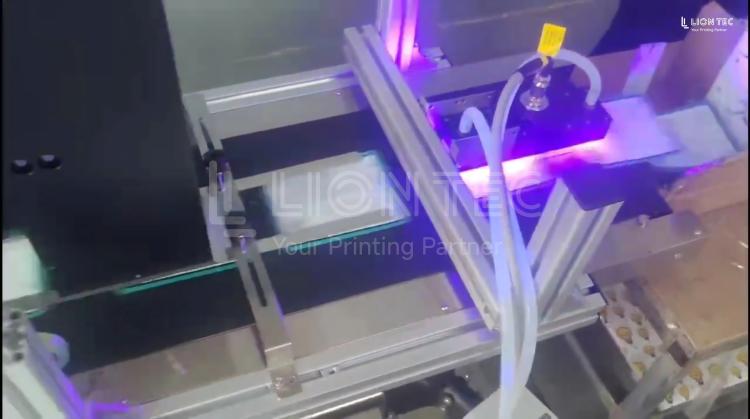
Packaging Marking Application Scenarios
1. Rigid Packaging Applications
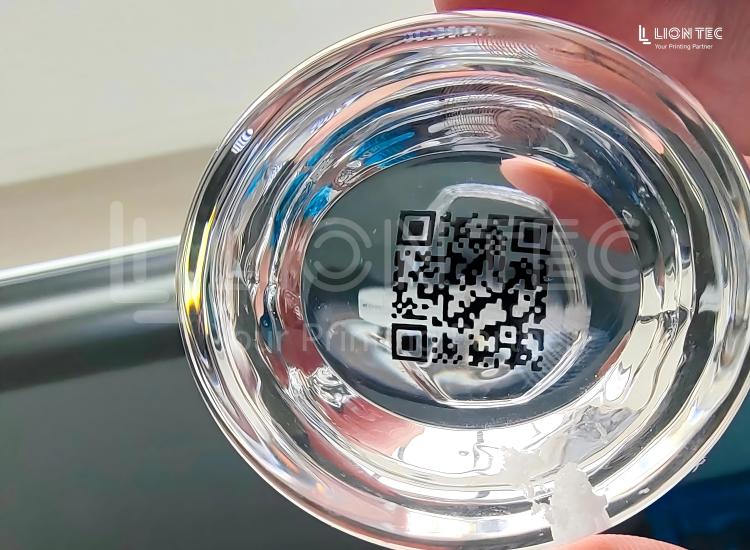
For smooth, low-surface-energy substrates including laminated color cartons, kraft paper boxes, plastic bottles, PET packaging boxes, blister packs for hardware, and outer packaging of medical reagents, dedicated UV ink is adopted.
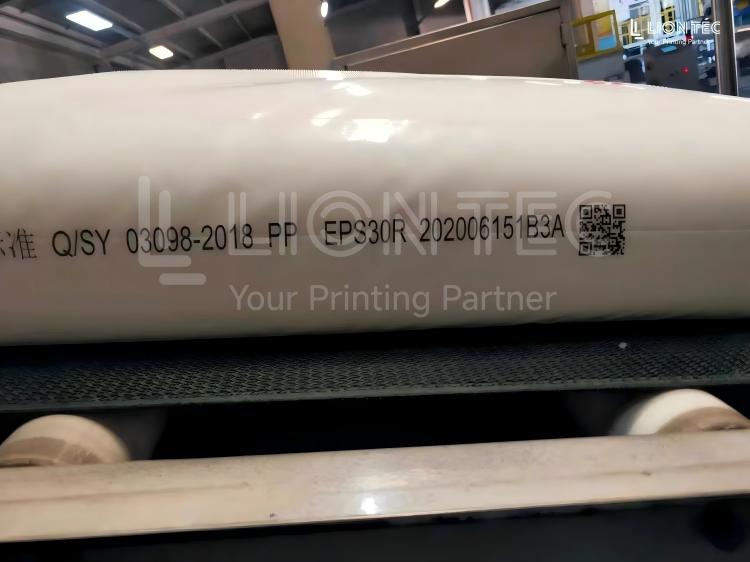
Printed production dates, batch codes, anti-counterfeit QR codes and brand logos resist smudging or peeling caused by friction and scraping. This effectively prevents marking failure during packaging circulation and ensures long-term retention of product traceability data.
2. Flexible Packaging Applications
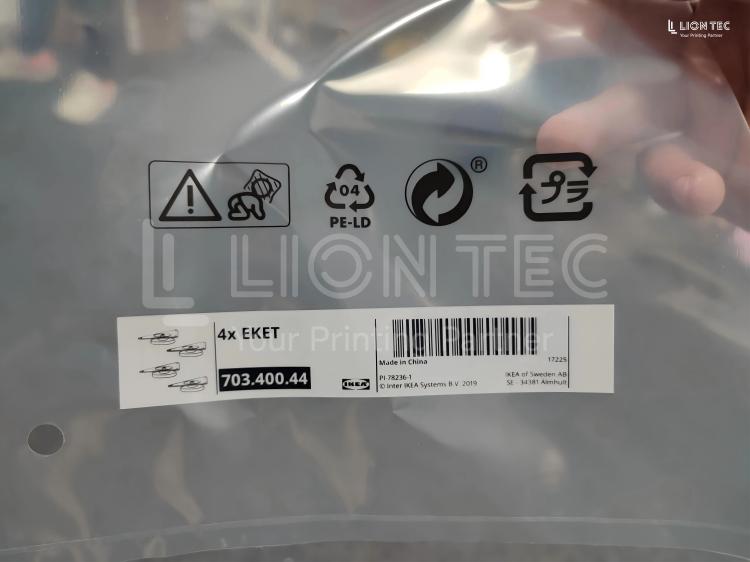
For flexible packaging such as aluminum foil bags, vacuum pouches, PE/PP film bags, composite film rolls and woven bags, the non-contact printing method avoids compression and scratches on packaging surfaces.
UV inkjet printers deliver high-opacity printing on dark flexible substrates with crisp, well-defined graphic edges, greatly boosting scanning reliability of 1D and 2D barcodes. The equipment adapts to multiple production line feeding modes including sheet separation transport and roll rewinding.
3. Corrugated Outer Carton Applications
E-commerce delivery cartons and product outer corrugated boxes support wide-format printing via multi-printhead stitching solutions.
Production batches, anti-channeling traceability codes, shipping warning marks and brand graphics can all be printed in a single pass. It replaces traditional screen printing and external self-adhesive labels, streamlines packaging processing workflows and creates a cleaner, unified outer package visual effect.
Advantages of UV Inkjet Printers
- Compatible with all types of packaging substrates, delivering stable and reliable adhesion performance.
- Print-grade high-definition printing output to upgrade brand image on packages.
- Eco-friendly low-VOC formulation that meets compliant production standards for multiple packaging industries.
- Supports high-speed assembly line operation to reduce packaging production defect rates.
- Long-term stable running, effectively cutting the overall production cost of packaging marking.
Conclusion
Against the backdrop of diversified, digitalized and eco-friendly development in the packaging industry, a stable, high-definition and eco-friendly UV inkjet printer can not only standardize product traceability management and avoid compliance risks, but also upgrade the visual texture of packaging and cut long-term production consumable costs.