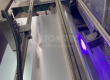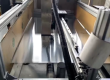
Integrated Laser Marking for Rotary Die Cutting Machines: DM Code Marking on Thin Film
As product traceability becomes increasingly important in precision converting and electronics manufacturing, DM codes are being adopted for product identification and process tracking.
However, applying laser marking to thin film materials presents specific challenges. Material thickness, surface characteristics and processing conditions all influence the marking result.
Integrating a laser marking system into a rotary die cutting machine provides a practical approach to incorporating DM code marking into an existing production process. The solution requires coordinated equipment integration, material compatibility assessment and marking verification.
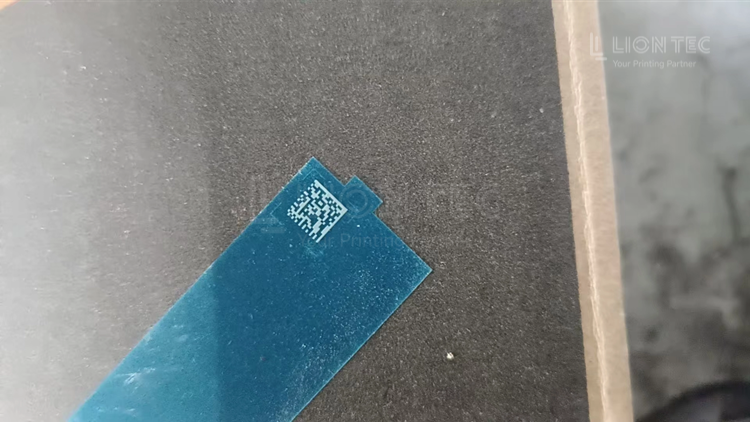
1. Why Is Laser Marking on Thin Film Challenging?
Unlike conventional rigid materials, thin films may have limited tolerance for localized thermal effects and surface modification.
Laser marking relies on controlled energy interaction with a material surface. Depending on the material composition and structure, an unsuitable process may cause unwanted thermal effects, surface changes or inconsistent marking results.
For this reason, thin film laser marking requires more than selecting a laser source. It involves understanding material behavior and matching the marking process to the intended application.
Key considerations include:
Material characteristics and surface response
Marking clarity and code integrity
Processing consistency
Compatibility with subsequent manufacturing processes
DM code readability and verification
2. Integrating Laser Marking into Rotary Die Cutting Equipment
For manufacturers already operating rotary die cutting machines, integrating a laser marking unit can help incorporate identification into the existing production workflow.
A successful integration requires consideration of several aspects.
Equipment Integration
The laser marking unit is planned around the machine structure, available installation space, processing position and production workflow.
Material Compatibility
Different film materials respond differently to laser energy. Application-specific process evaluation is essential to balance marking quality and material integrity.
Marking and Code Verification
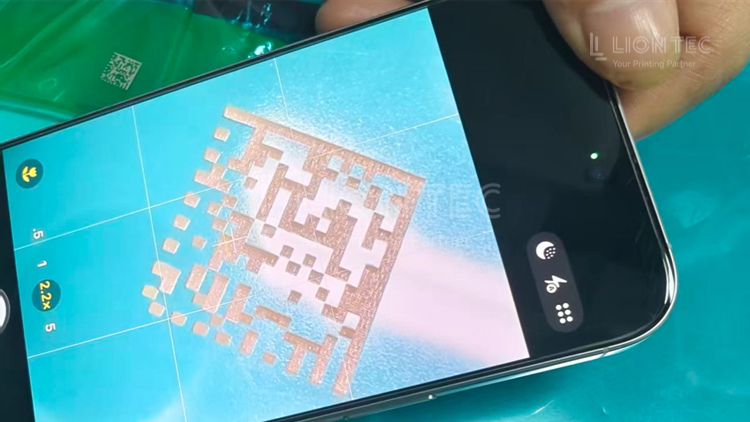
The resulting DM code should be evaluated for completeness, contrast and readability under the intended application conditions.
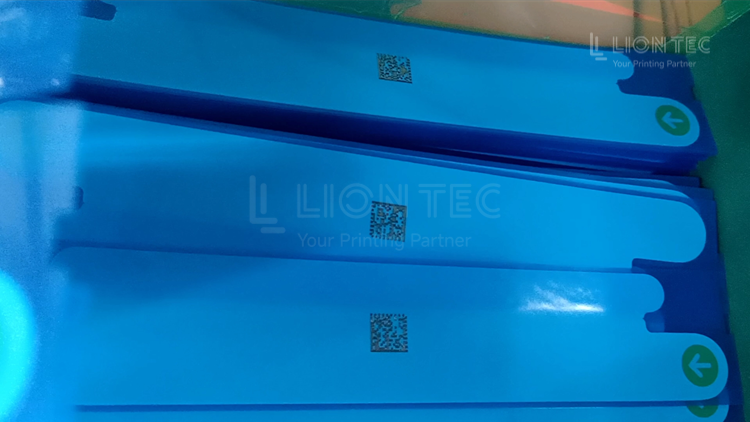
3. LIONTEC Project Example: DM Code Marking on Thin Film
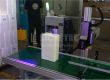
At a customer production site, LIONTEC implemented a laser marking integration project on a rotary die cutting machine.
The project addressed the customer’s requirement for DM code identification on thin film materials.
LIONTEC integrated the laser marking system into the existing production equipment and carried out application-oriented process adaptation.
The on-site application demonstrated:
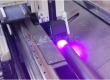
Laser marking system integration with rotary die cutting equipment
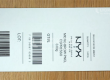
DM code marking on thin film
Dedicated equipment control and operation
Smartphone-based code readability verification
The project demonstrates how equipment integration and material-focused process adaptation can support specialized industrial marking applications.
4. Where Can This Solution Be Considered?
Depending on material properties and process validation, similar integration concepts can be evaluated for:
Precision electronic converting
Functional film processing
Protective films and release liners
Flexible material manufacturing
Applications requiring product identification and traceability
Actual suitability depends on the material structure, marking requirements and production conditions.
5. Why Work with LIONTEC?
LIONTEC Printing Technology (Wuxi) Co., Ltd. focuses on industrial printing and marking solutions, equipment integration and application-oriented engineering.
Rather than treating marking equipment as an isolated unit, LIONTEC considers the relationship between the customer’s existing production equipment, material characteristics and process requirements.
For manufacturers exploring laser marking on thin films or laser system integration into rotary die cutting machines, LIONTEC provides application-focused technical evaluation and customized integration support.
LIONTEC – Industrial Marking Solutions for Precision Manufacturing.
Frequently Asked Questions
Q1: Can a laser marking machine be integrated into an existing rotary die cutting machine?
Yes. Integration feasibility can be evaluated based on machine structure, available space, production workflow and marking requirements.
Q2: Can DM codes be laser marked on thin film materials?
Yes, subject to material compatibility and process validation. Marking quality and readability should be verified under actual application conditions.
Q3: Does laser marking affect thin film materials?
Laser energy may cause localized thermal or surface changes. Material-specific evaluation and process adaptation are important to control these effects.
Q4: Does LIONTEC provide customized laser marking integration?
LIONTEC can evaluate customized integration requirements based on the customer’s equipment, material and production application.