Five Core Parameters That Determine Production Line Efficiency & Return on Investment
2026 UV inkjet printer selection guide: The compound annual growth rate of China’s industrial UV printing equipment market is projected to hit 12.3% in 2026, and UV inkjet Printers have become production line necessities. Learn to avoid inflated parameters, insufficient support and slow tech upgrades that lead to unreliable on-site printing performance.
With over a decade of expertise in industrial inkjet printing, LIONTEC holds the view: choosing a UV inkjet Printer is essentially selecting a long-term stable partner for your production line.
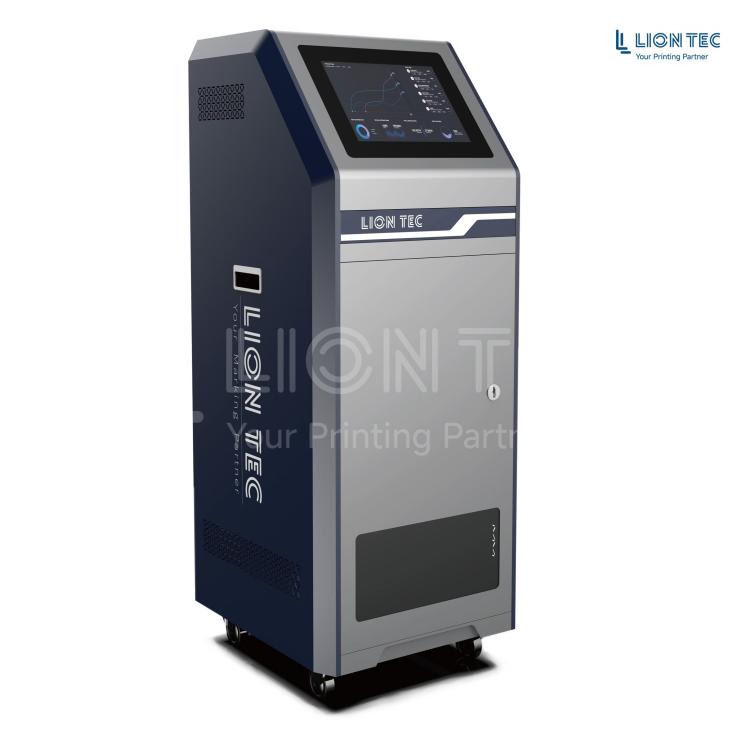
UV Inkjet Printer Five Core Technical Parameters
1. Printing Resolution (DPI)
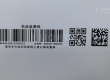
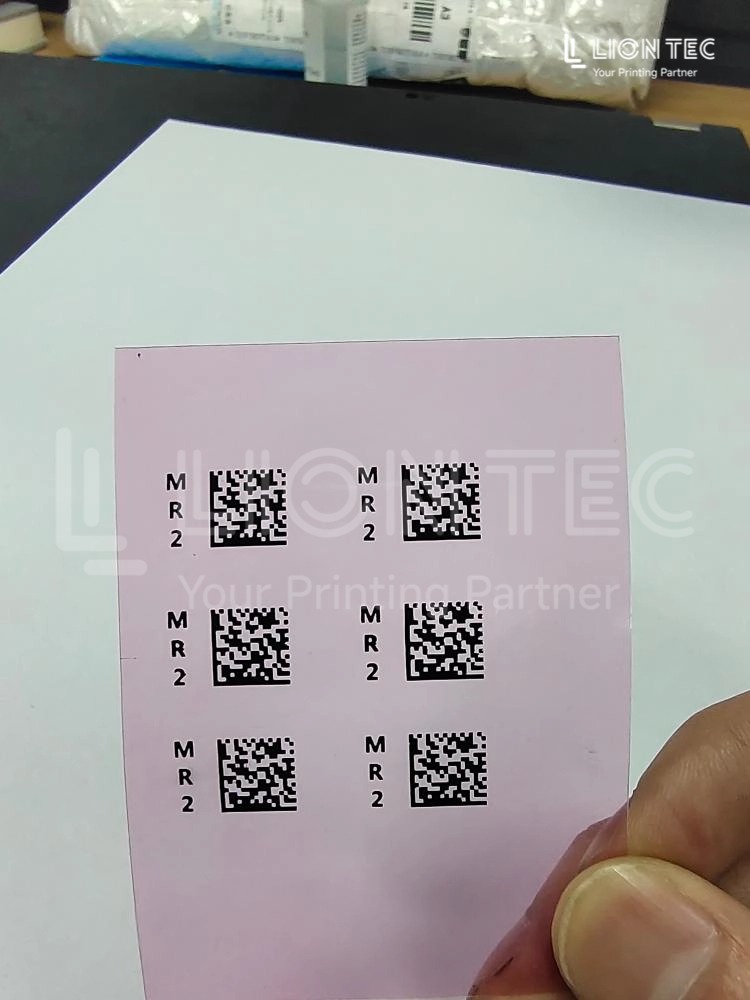
DPI refers to the density of ink droplet arrangement, which determines the clarity of 2D codes, DM codes, tiny characters and LOGO patterns. 300-600 DPI is suitable for batch number printing on packaging. 600-1200 DPI fits fine printing on PCB components, medical PCR plates and precision plastic parts. Mismatched resolution will raise the failure rate of 2D code scanning and increase rework costs.
2. Printhead Jetting Frequency
It stands for the number of ink droplets ejected by the printhead per second, and decides printing stability under high-speed production. A higher printhead frequency ensures neat graphics & texts even on fast assembly lines. Low-spec printheads suffer broken ink lines and stray ink at high speed, forcing manufacturers to slow down the production line and cutting daily output directly.
3. Supporting LED-UV Curing Parameters
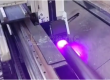
It covers UV lamp wavelength, curing power and temperature control capacity, realizing millisecond-level instant drying to avoid smudged prints. Insufficient curing power leaves ink wet after high-speed printing and causes mass waste of finished goods. Proper high-power configuration also reduces power consumption and cuts electricity expenses.
4. Ink & Substrate Compatibility Parameters
Relying on customized ink formulas and constant-temperature negative-pressure ink supply systems, the UV inkjet printer works on PP-PE plastic, metal, glass, leather, circuit boards and other materials, achieving 5B cross-hatch adhesion standard. Poor matching between ink and printhead leads to peeling prints and failed alcohol resistance tests, bringing risks of customer returns.
5. Data Communication & Continuous Operation Stability of UV Inkjet Printer
This covers gigabit Ethernet port, PLC, RS232, API protocol docking capability, as well as the automatic printhead maintenance system and the overall mean time between failures (MTBF) of the UV inkjet printer.
Modern factories in 2026 are widely equipped with MES systems, and the UV inkjet printer can fully realize data interconnection and real-time transmission of variable serial numbers.
A lower overall equipment failure rate reduces downtime, cuts manual maintenance costs, and shortens the return on investment cycle of the UV inkjet printer.
UV Inkjet Printer FAQ
1. Is higher parameter always better? Will the top-spec printhead bring cost benefits in long-term use of UV inkjet printer?
Not exactly. Many purchasers fall into the misunderstanding that higher parameters equal better equipment. Higher printhead resolution and jetting frequency will push up the procurement cost, ink consumption and spare parts replacement expenses simultaneously.
For enterprises only printing production dates and batch codes on cartons & packaging bags, printheads of 300-600 DPI and 30-45 kHz are fully competent. Forcing the purchase of 1200 DPI high-frequency printheads will raise equipment cost by 40%-60% with more ink waste, resulting in redundant investment and prolonged ROI cycle.
For electronic components and medical device UDI traceability codes, high-frequency industrial printheads above 600 DPI are mandatory.
LIONTEC provides parameter matching based on actual demands: economical printhead solutions for packaging industry, high-frequency high-precision printheads for precision manufacturing, to balance upfront investment and long-term operation costs.
2. The production line speed meets standard and printhead parameters are suitable, yet the UV inkjet printer fails to link stably with the assembly line. Which core parameter causes this problem?
The root cause lies in data communication and overall machine stability parameters.
Even if printhead speed and resolution are fully qualified, excessive signal reception delay, lack of gigabit Ethernet port, or incompatibility with factory PLC will lead to delayed signal reception after the line sensor triggers printing command, resulting in offset printing, missing prints and double printing.
Besides, without independent negative-pressure ink supply and automatic printhead cleaning modules, tiny nozzle clogging cannot be self-repaired during 24-hour continuous production, triggering intermittent printing errors.
New industrial UV inkjet printers launched in 2026 control signal delay within 10ms, equipped with automatic negative-pressure cleaning systems to support non-stop high-speed line operation.
LIONTEC UV inkjet printers adopt gigabit Ethernet transmission, compatible with mainstream MES systems, delivering stable signal performance for high-speed assembly lines running at 80-200 meters per minute.
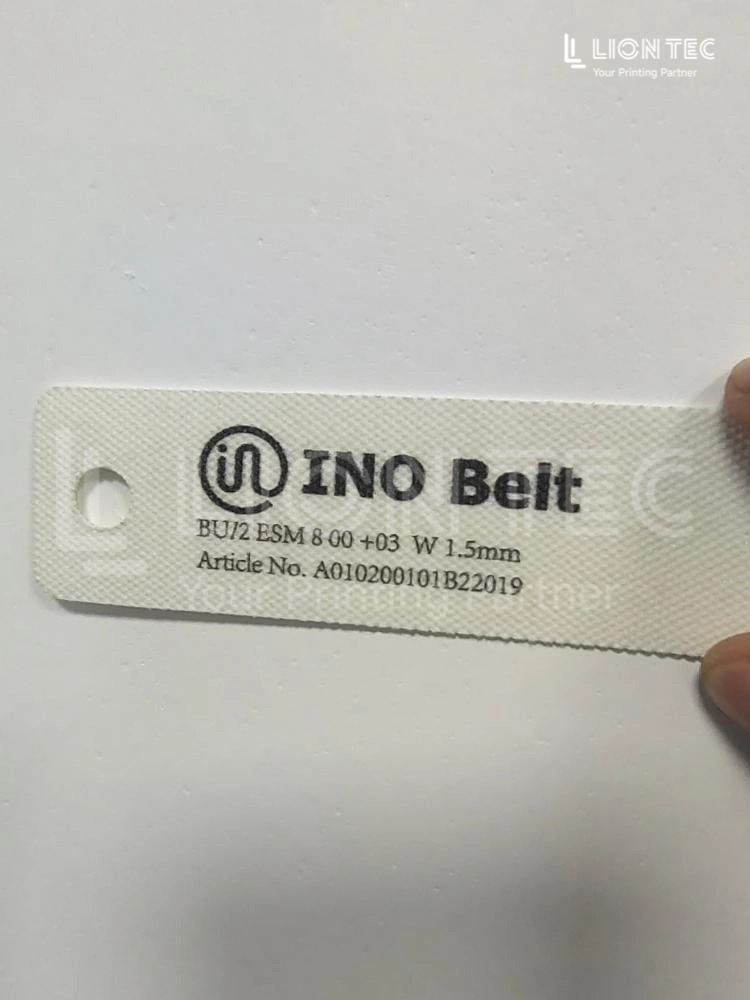
Three Core Advantages for Enterprises
- Keep production lines running at full speed to effectively boost daily output
- Control full-lifecycle operation costs and raise overall return on investment
- Achieve compliant product printing, supporting enterprises to complete intelligent upgrading
Conclusion
When purchasing a UV inkjet printer in 2026, ignore superficial price gimmicks. You shall strictly evaluate five core parameters: printing resolution, printhead jetting frequency, UV curing configuration, ink & substrate compatibility, and data communication stability. Match the UV inkjet printer reasonably with your actual production line conditions to balance production efficiency and long-term investment returns.
With years of deep experience in industrial inkjet printing, LIONTEC delivers one-stop UV printing solutions covering parameter customization, sample testing, installation and after-sales service for packaging, electronic components, photovoltaic, medical device, pipe & leather industries. We help manufacturers maximize the value of UV inkjet printers to lift product quality and cut operational costs.