The Era of One Item One Code
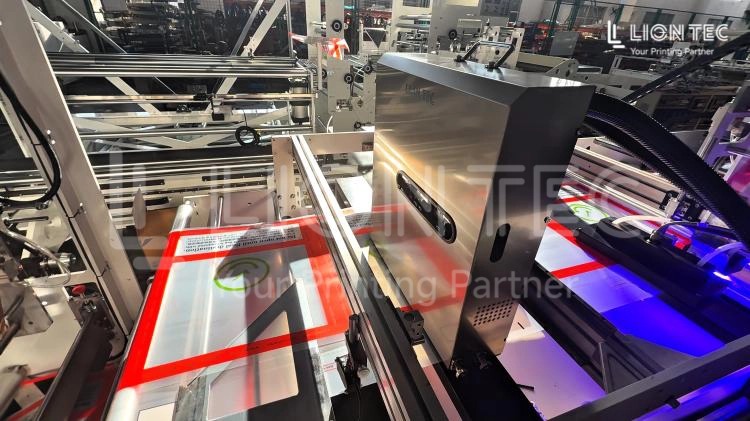
With growing demands for digital traceability, market regulation, anti-counterfeiting and grey market prevention, the domestic manufacturing industry has entered the large-scale implementation phase of the one-item-one-code system. Against this backdrop, UV inkjet printer technology has become a core industrial inkjet printing solution to support the deployment of one-item-one-code management systems.
Analysis of the One Item One Code Concept
-
Traditional industrial marking solutions include screen printing, adhesive labels, solvent inkjet printer and laser engraving, which come with widespread drawbacks. Screen printing only works for static fixed data and requires plate making; paper labels are prone to tearing and falling off; solvent inks feature slow drying speed, high VOC emissions and weak adhesion on smooth surfaces; laser marking tends to damage base materials and cannot be applied to flexible substrates.
-
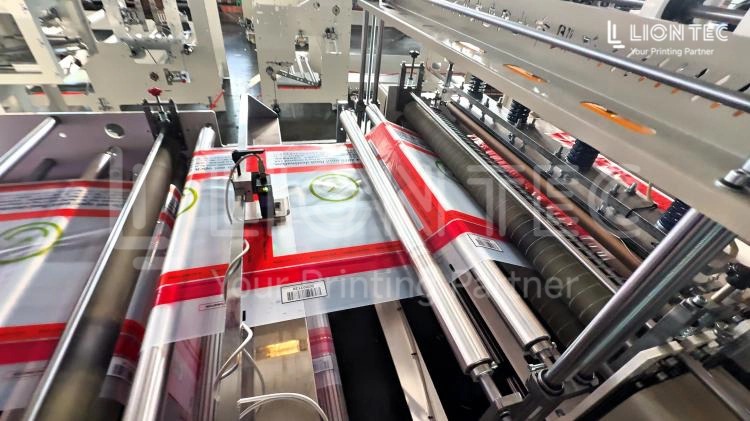
UV inkjet printer technology adopts the instant UV curing principle with non-contact piezoelectric printheads paired with eco-friendly UV inks. Printed content cures within milliseconds under UV irradiation. It supports variable data printing directly on most industrial substrates such as plastic, metal, laminated packaging, glass and rubber.
-
Marking Information:Upgrade from static fixed content to exclusive variable digital coding
Production Process:Shift from offline plate printing to real-time inline data printing on production lines
Management Objectives:Evolve from simple surface marking to integrated demands including regulatory traceability, anti-counterfeiting & gray market control, and data interconnection for smart digital factories
FAQs about UV Inkjet Printer
1. Is it necessary to switch from laser marking / adhesive labeling to UV inkjet printer for realizing one-item-one-code?
Laser marking works well on rigid substrates with permanent prints, yet it will cause etching damage to product surfaces and cannot be applied to thin films, hoses and certain plastic components. Adhesive labels are easy to peel off or tamper with, making product traceability on product bodies impossible.
UV inkjet printer delivers better overall adaptability if your business handles diversified product materials, runs high-speed production lines, needs flexible modification of printed data, and intends to keep the original intact appearance of substrates.
2. Will one-item-one-code QR codes printed by UV inkjet printer become unscannable under friction during transportation or humid surroundings?
Qualified industrial UV inkjet printer matched with substrate-specific ink will form dense ink films after curing, which are resistant to friction, oil stains and moderate temperature & humidity fluctuations.
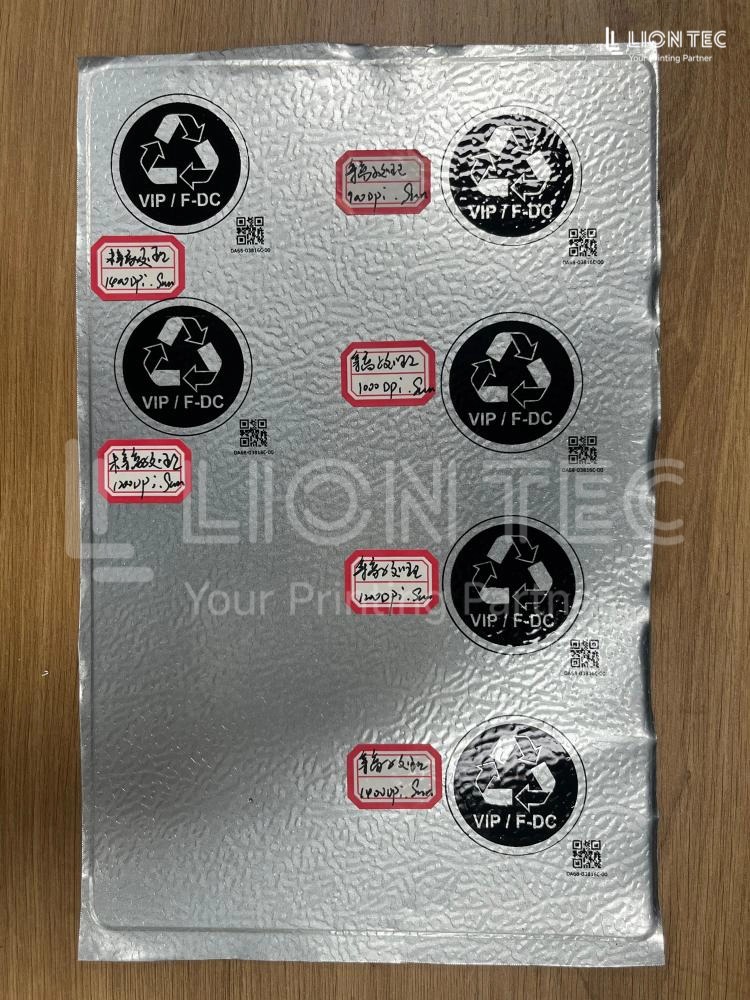
QR code scanning failures are mainly caused by three factors: blurred code edges due to insufficient printhead precision, poor adhesion resulted from mismatched ink and substrates, as well as abrasion from physical squeezing on the printing area.
Value of Reconstructing Product Printing & Identification
1. Comply with industrial regulatory requirements and mitigate operational risks
Regulatory standards are being tightened across pharmaceutical UDI, auto parts traceability, food packaging, special equipment and other sectors, mandating traceable unique codes for products. Our standardized UV one-item-one-code printing solution delivers crisp, permanent marks with tamper-proof data. It helps companies cope with official sampling inspections and product recalls, avoiding penalties caused by non-compliant product identification.
2. Enable flexible manufacturing and improve overall production line efficiency
This solution eliminates pre-processes such as plate making and label inventory preparation. Variable codes can be issued by the system in real time, and product model switching requires no production line shutdown or modification. UV ink cures instantly, allowing products to be stacked and packed right after printing without smudging or blurred patterns. Optimized for medium and high-speed continuous production lines, it cuts rework caused by defective printing marks.
3. Build a digital management foundation to realize full-chain control
UV inkjet printer equipment supports seamless docking with MES, ERP, WMS and traceability platforms for synchronous upload of coding data. Based on unified identification standards, enterprises can interconnect production records, warehouse outbound data and distribution logistics information, supporting diversified scenarios including grey market prevention, quality traceability and consumer code-scan marketing activities.
4. Cut long-term production costs and meet green manufacturing standards
Low-VOC UV ink passes factory environmental compliance audits. It eliminates recurring spending on labels, printing plates and related consumables. Compared with adhesive label solutions, it features controllable material costs for mass long-term production while lowering labor costs for manual inspection, steadily reducing the comprehensive operating expenses of the printing procedure.
Conclusion
One-item-one-code is no longer an optional upgrade, but a fundamental requirement for manufacturers to achieve digital transformation and meet industrial compliance standards. Boasting outstanding merits including universal material compatibility, high-speed variable data printing, durable printed marks and eco-friendly performance, UV inkjet printer technology is driving industrial product identification to evolve from fragmented non-standard processes toward a unified standardized system.
With long-term dedication to the industrial inkjet printing sector, LIONTEC delivers integrated UV one-item-one-code identification solutions for manufacturing enterprises across various industries, helping businesses establish modern standardized marking workflows tailored to their own production lines.