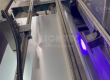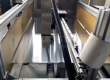
Variable Data Output, Real-time Traceability and MES System Integration
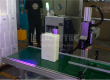
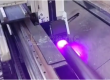
Intelligent Inkjet Printing within the Industry 4.0 framework relies on the core logic of equipment interconnection, data interoperability and full-process digital closed-loop management. It is no longer a standalone traditional printing device, but a digital data collection terminal for production lines, composed of three core modules: variable data inkjet printing, real-time traceability and bidirectional integration with MES systems.
Detailed Breakdown of Intelligent Inkjet Printing
1. Variable Data Inkjet Printing
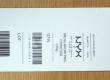
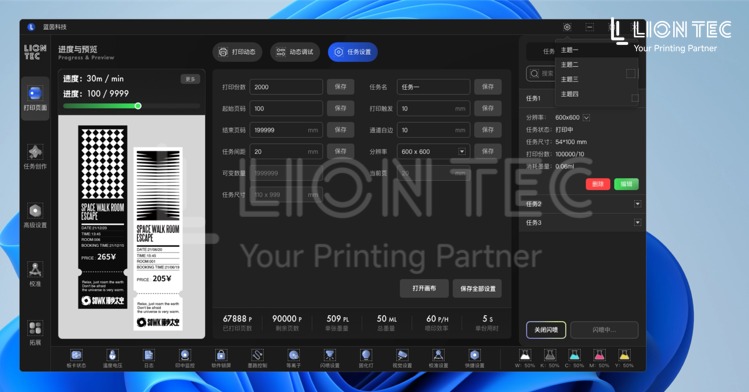
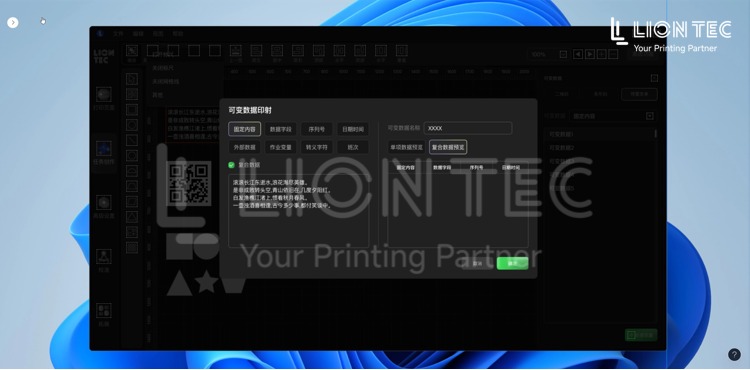
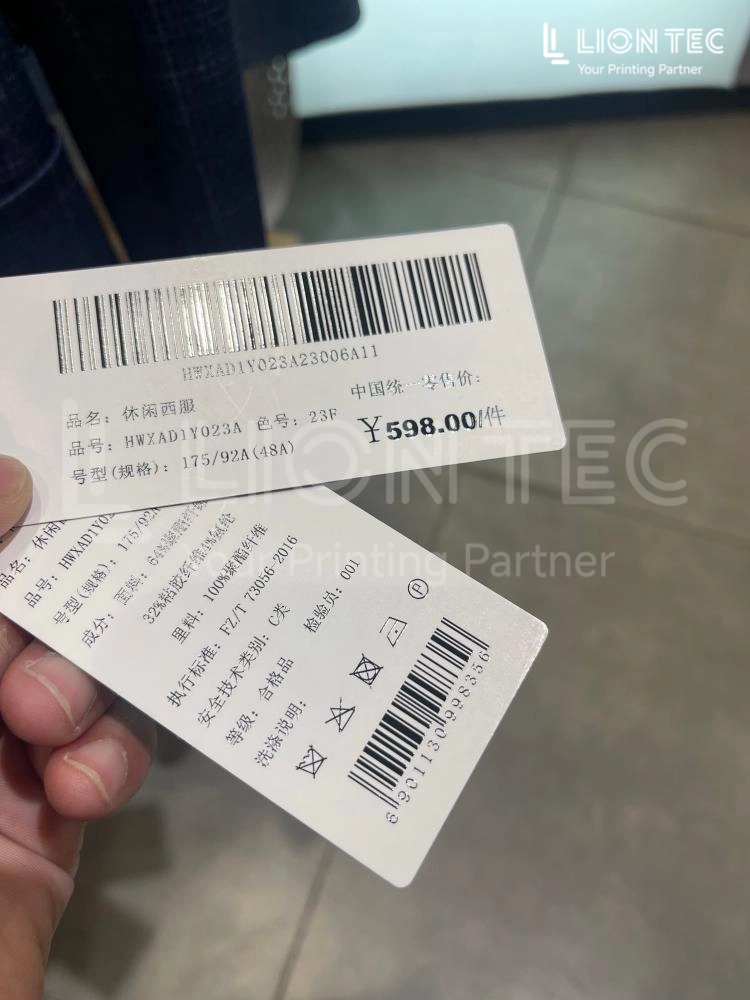
Different from fixed texts and static batch codes, variable data refers to independent, unique and dynamically generated identification information for each product. It covers one-item-one-code QR codes, exclusive serial numbers, dynamic work order batches, raw material codes, production line station numbers, production timestamps and other data contents.
2. Real-time Traceability System
Taking the variable identification codes of individual products as digital carriers, our Intelligent Inkjet Printing connects the full data chain covering raw material warehousing, production processing, inline inkjet printing, finished product warehousing, logistics distribution and after-sales quality inspection.
All production parameters are bound to products right after inkjet printing with real-time data storage and upload. In case of quality defects, users can scan codes to quickly trace back raw material batches, operators, equipment operation logs and production periods. It meets the compliance requirements for medical UDI, food traceability and automotive component supervision.
3. In-depth Integration with MES Systems
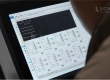
The MES (Manufacturing Execution System) acts as the core hub for workshop production data. LIONTEC intelligent inkjet printers realize two-way communication with MES via Industrial Ethernet, WebSocket and API interfaces.
For uplink transmission: real-time data such as printing output, defective prints, equipment faults and printing timestamps are uploaded to MES.
For downlink transmission: the printer automatically receives work orders, coding rules and product parameters issued by MES to finish automatic inkjet printing without manual intervention. This eliminates data silos of standalone printing devices and serves as a vital node for closed-loop workshop automation.
FAQs on Industry 4.0
1. Can conventional inkjet printers connect directly to MES systems to realize real-time traceability of variable data?
Outdated standalone inkjet printing devices only support local static template storage without standardized data communication interfaces. They cannot implement bidirectional data interaction with MES, nor deliver automatic variable inkjet printing and real-time data feedback.
All industrial inkjet printing equipment from LIONTEC is equipped with self-developed intelligent industrial control motherboards embedded with universal industrial communication protocols including RS232, Ethernet and Profinet, as well as dedicated upper computer integration software. Direct connection is available for mainstream MES, ERP and WMS systems on the market. For existing production lines, our data transfer controller enables low-cost digital upgrading of legacy devices without full-scale equipment replacement.
2. Will duplicate or missing printed codes occur during variable data inkjet printing on high-speed production lines? How to guarantee accurate and loss-free traceability data?
Data disorder on high-speed assembly lines is mainly caused by data synchronization delay and asynchronous signal triggering.
LIONTEC intelligent inkjet printing systems are equipped with synchronous encoders and photoelectric positioning trigger modules to synchronize conveyor belt speed in real time. Data issued from MES will be verified before inkjet printing execution. A completion receipt will be automatically sent back to MES once inkjet printing finishes on each product. Supported by an inline visual inspection unit, the system will trigger alarms and temporary line halt upon detecting incorrect, blurred or duplicated printed content, with defective product data archived and marked separately.
All traceability data adopts dual backup via local device cache plus cloud MES storage, preventing data loss caused by network disconnection or equipment shutdown and ensuring the integrity and traceability of the whole tracking chain.
Practical Advantages of Intelligent Inkjet Printing
1. Eliminate manual operation errors and cut material consumption
The traditional workflow requires workers to manually input batch numbers and serial numbers on-site, as well as halt production lines to modify templates during product changeovers. Mistaken inkjet printing and repeated printed content often lead to batch scrapping. Our system receives variable data automatically delivered by MES with zero manual data entry. Operators do not need to stop the line to adjust printing contents when switching products, which greatly reduces defective products caused by wrong printing and effectively curbs the waste of raw materials and packaging supplies.
2. Build a complete digital traceability chain to meet industrial compliance audit standards
One-item-one-code binds full production data. Complete production records can be exported with one click for regulatory inspections, customer factory audits and system certification processes. The solution complies with mandatory compliance standards including medical UDI, medical device GMP, food safety production and auto parts traceability. It shortens audit cycles and helps manufacturers avoid penalties for non-compliance issues.
3. Break down workshop data silos and improve overall Equipment Overall Efficiency (OEE)
Operating status, output volume and defect data of inkjet printing devices are synchronized to the MES dashboard in real time. Managers can remotely monitor printing capacity and receive equipment fault early warnings, and accurately track the progress of work orders. Unified data linkage is realized among production lines, inkjet printing equipment and testing machines, supporting rapid troubleshooting and remarkable improvement of overall production line operating efficiency.
4. Flexible compatibility with multi-variety & small-batch production modes
When switching between products of different specifications, the matched variable data templates can be pushed from MES with a single click. The inkjet printer switches printing contents synchronously without manual parameter configuration. It perfectly matches the flexible production demands of modern manufacturing, shortens changeover waiting time and accelerates production line turnover efficiency.

Conclusion
Against the backdrop of digital transformation under Industry 4.0, Intelligent Inkjet Printing has gone far beyond basic labeling functions. Taking variable data as the carrier, real-time traceability as the core and MES integration as the link, it builds a closed-loop system for workshop production data.
LIONTEC focuses on the R&D of industrial inkjet printing equipment. We deliver all-in-one intelligent inkjet printing solutions covering hardware supply, software integration, production line renovation and after-sales maintenance. Our products satisfy the digital traceability upgrading demands across pharmaceuticals, auto parts, food, 3C electronics and packaging industries, empowering manufacturing enterprises to construct intelligent production lines.