600 DPI vs 1200 DPI
Resolution for Industrial Printing: DPI refers to the number of ink dots per inch, which acts as the core metric for measuring printing precision of industrial inkjet printing equipment. It stands for the density of independent ink dots jetted by the printhead per unit length horizontally and vertically. A higher dot density delivers smoother edges for characters, barcodes and logos with fewer jagged edges and superior detail restoration capabilities.
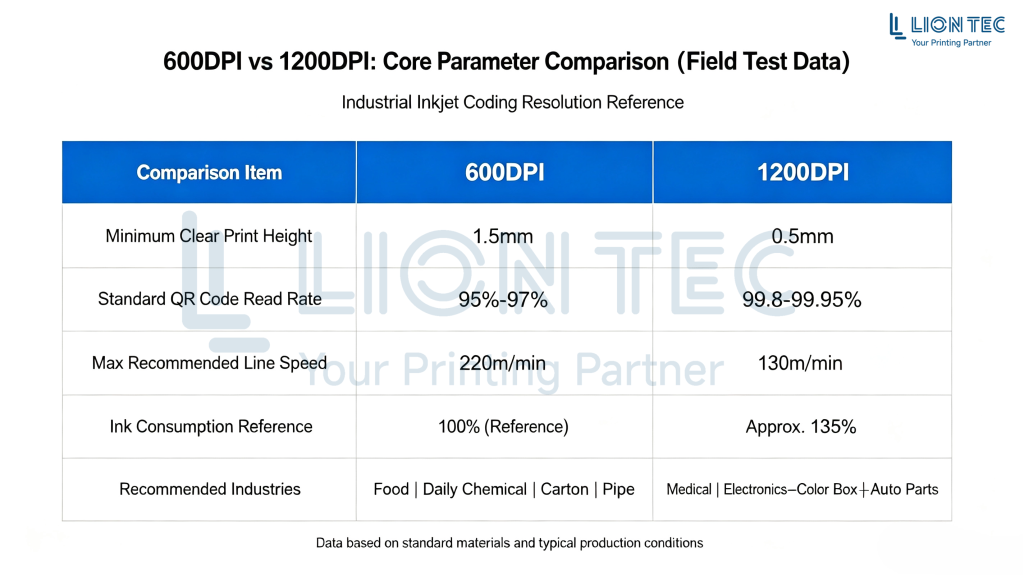
For industrial UV piezoelectric printing devices, 600 DPI and 1200 DPI are the two mainstream standard resolution tiers. Fundamental differences exist between the two in terms of printhead hardware, ink flow control and production line compatibility performance.
Basic Definition of Printing DPI
1. Core Properties of 600 DPI Printing Resolution
The 600 DPI industrial printing printhead adopts a standard industrial nozzle layout with 600 independent ink dots per inch. The volume of a single ink droplet ranges from 5 to 12 PL, and the ink dot diameter is approximately 0.042 mm. It is suitable for printing basic marks such as large characters, conventional 1D barcodes, standard production dates and batch numbers.
Hardware Advantages:The printhead features high firing frequency and low ink supply load. It resists nozzle clogging during long-term high-speed production line operation with balanced ink consumption. It fits applications requiring large printing areas and ordinary precision, including cartons, plastic bottles & pouches and general outer packaging.
2. Core Properties of 1200 DPI Printing Resolution
The 1200 DPI high-precision piezoelectric printhead uses a dual-density nozzle array, delivering 1200 ultra-fine ink dots per inch. Its minimum controllable ink droplet is 2.5 PL, with the ink dot diameter reduced to 0.021 mm, making its dot density four times that of 600 DPI.
Hardware Advantages:It enables micron-level restoration of intricate graphics and texts, meeting strict compliance scenarios including medical device UDI codes, markings for miniature PCB components, delicate logos on high-end color boxes, and tiny 2D traceability codes. It delivers smoother grayscale gradation output without graininess.
Core Benefits of Printing Resolution
1. Precisely control overall production costs and avoid resource waste
For scenarios with low precision requirements, adopting 600 DPI printheads can boost production line speed by roughly 40%, cut annual ink consumption by over 30%, and extend printhead maintenance cycles, greatly lowering costs on consumables, labor and downtime losses.
For high-precision compliance applications matched with 1200 DPI printheads, product rework and scrappage caused by blurry codes can be reduced. It also prevents return and replacement losses arising from non-compliant medical device UDI codes and auto parts traceability codes, bringing down long-term overall consumption costs.
2. Consistently meet industrial compliance and quality inspection standards
The medical, electronics and precision component industries mandate high readability for miniaturized traceability codes. 1200 DPI printing delivers Grade A 2D barcodes compatible with visual full-inspection equipment required by pharmaceutical regulators and the automotive industry. Meanwhile, 600 DPI fully satisfies routine quality inspection standards for general packaging without unnecessary investment in high-precision hardware.
3. Improve the overall productivity of the entire production line
Proper resolution matching strikes a balance between printing clarity and conveying speed. 600 DPI is applied on outer packaging assembly lines to support high-volume high-speed production, while 1200 DPI is deployed for precision workstations of small components to achieve flawless printing at low speeds with short print widths. This avoids two extreme issues: high-precision hardware dragging down the whole production line, or frequent rework on low-resolution equipment hampering production schedules.
4. Extend the service life of core printhead components
Printhead load is directly correlated with resolution. Forcing 600 DPI printheads for high-precision tasks leads to repeated reprinting and elevated ink circuit pressure, accelerating printhead clogging and wear by two times. Conversely, running 1200 DPI printheads long-term for low-demand applications keeps the printhead under continuous heavy injection load and shortens its service life. Matching DPI according to actual demands can raise the average service life of printheads by 25%.
Conclusion
There is no universal rule that higher resolution always equals better performance for industrial printing. The 600 DPI solution is designed for high-speed mass production and low-cost general applications, while 1200 DPI is tailored for fine micro graphics and high-precision scenarios that meet industrial compliance requirements.
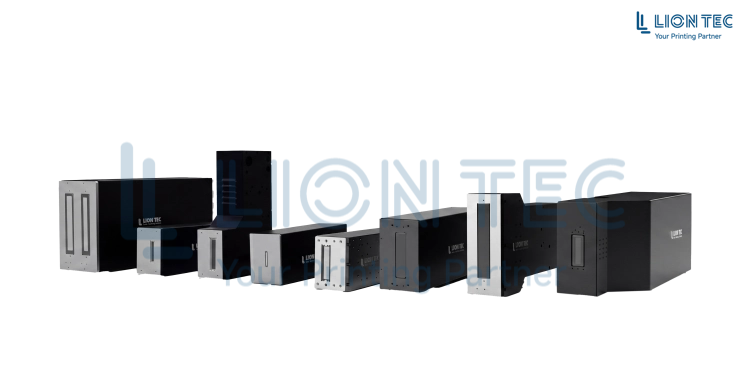
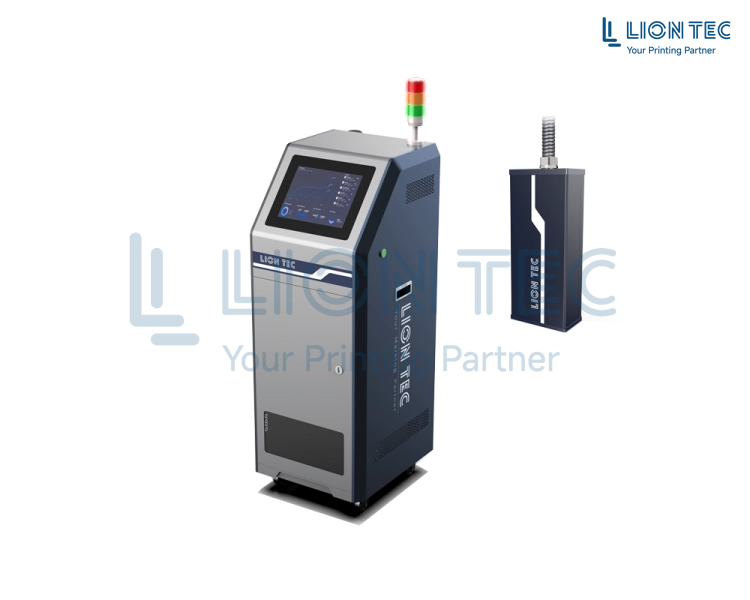
LIONTEC provides a complete full lineup of 600 DPI and 1200 DPI industrial inkjet printing equipment. We offer free sample testing and one-on-one resolution selection solutions according to the production line parameters and printing standards of various industries, helping factories strike a balanced trade-off among printing quality, production speed and long-term operating costs.