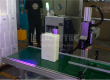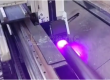
When ambient temperature and humidity fluctuate significantly with seasonal changes throughout spring, summer, autumn and winter, special maintenance, parameter calibration and inspection should be performed for your Industrial UV Coding System.
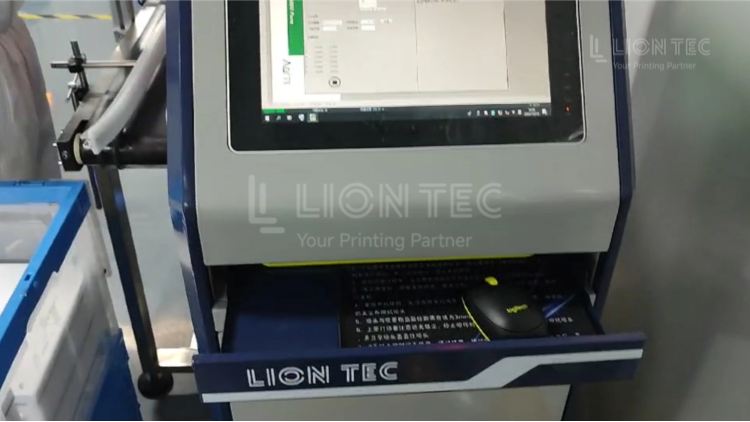
Seasonal Considerations for Industrial UV Coding System
Temperature: UV ink has a fixed operating viscosity range. Excessively high ambient temperature reduces ink viscosity, which may lead to ink misting, oversized ink droplets and faint printed characters. When ambient temperature is too low, ink viscosity rises and fluidity deteriorates, greatly increasing risks of poor nozzle performance, broken print lines and nozzle clogging. Meanwhile, electronic components including UV lamps, power boards and main control boards will also suffer accelerated aging under extreme high‑ or low‑temperature conditions for the Industrial UV Coding System.
Humidity: Under high‑humidity conditions, moisture tends to condense on nozzle metal contacts and circuit boards, triggering electric leakage and abnormal signal output. Moisture also interferes with UV curing performance, resulting in poor adhesion and scratched codes. In low‑humidity environments, dry air generates static electricity, which can puncture nozzle piezoelectric crystals and cause permanent nozzle damage. Die‑cut film‑type substrates are also prone to printing defects caused by static‑attached dust.
Most nozzle failures and poor coding quality occurring during seasonal transitions are not caused by hardware damage of the Industrial UV Coding System, but by insufficient maintenance responding to seasonal temperature and humidity shifts.
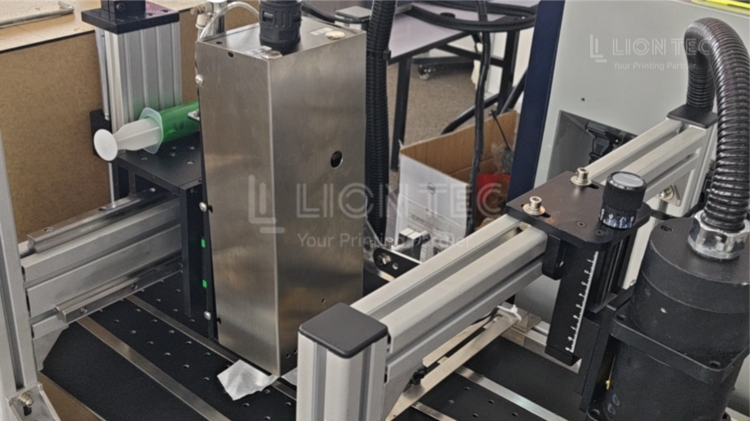
Seasonal Maintenance Procedures for Industrial UV Coding System
I. Establish Temperature and Humidity Data Monitoring at Equipment Points
- Install independent temperature‑humidity meters near the printhead and ink supply tank of the Industrial UV Coding System. Do not rely solely on overall environmental data from the workshop central‑control display.
- Record temperature and humidity readings in three shifts: morning, noon and evening.
- Trigger special seasonal maintenance immediately if temperature falls below 20 °C or exceeds 32 °C, or humidity drops below 38% RH or goes above 68% RH.
II. Adjust Workshop Environmental Control According to Seasonal Conditions
- Hot‑high‑humidity summer (plum‑rain season): Turn on dehumidifiers to reduce workshop humidity. Prevent cold air‑conditioning airflow from blowing directly onto the printhead assembly. Keep the printhead away from windows, doorways and other positions exposed to direct hot‑cold air currents.
- Cold‑dry autumn and winter: Activate workshop humidifying equipment to restore humidity to the safe range. Keep heating devices away from the main unit and printhead. Maintain workshop thermal insulation during overnight shutdowns to avoid exposing the Industrial UV Coding System to low‑temperature conditions overnight.
III. Ink Supply System and UV Ink Compatibility Inspection & Maintenance
- Check the temperature of the ink‑storage warehouse. Store UV ink strictly in accordance with specifications provided by the ink manufacturer.
- Extend ink circulation and pre‑heating time after power‑on. Add 5‑10 minutes of circulation pre‑heating under low‑temperature conditions. Start printing only after ink viscosity returns to normal values.
- Inspect ink‑path tubing for condensed water droplets. Wipe off external moisture on tubing in high‑humidity seasons.
IV. Special Printhead Maintenance
- Remove the printhead protective cover under shutdown status and inspect the condition of the nozzle face.
- High‑humidity seasons: Gently wipe printhead metal contacts with lint‑free non‑woven cloth dipped in dedicated cleaning fluid to remove residual moisture. Inspect printhead cable connectors for dampness.
- Low‑humidity dry seasons: Verify proper operation of production‑line static‑elimination blowers. Aim static‑removal air nozzles at printing substrates to dissipate static on die‑cut films. Do not leave printhead nozzles exposed to dry air for long periods.
- Perform standard printhead cleaning followed by nozzle test printing. Check test patterns for broken lines or missing ink.
V. Seasonal Inspection for Circuits and UV Curing Lamp Heat‑Dissipation System
- Power off the unit and clean dust from cooling‑fan filter screens. Prioritize heat‑dissipation checks during high‑temperature summer periods.
- Examine all wiring terminals for damp‑induced oxidation. Dehumidify the electric control cabinet in humid seasons.
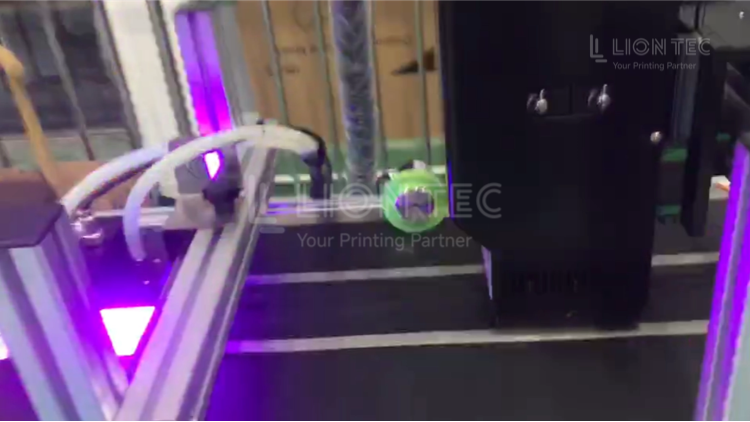
- Measure UV curing lamp intensity. High‑temperature conditions increase thermal load on curing lamps and accelerate light decay; record lamp‑intensity readings timely.
VI. Archive Temperature‑Humidity Maintenance Records
Log environmental readings, maintenance operations and printhead inspection results into the equipment maintenance file of the Industrial UV Coding System, to serve as reference for seasonal maintenance in the following year.
Conclusion
LIONTEC recommends all users of the Industrial UV Coding System develop awareness of seasonal maintenance, and incorporate environmental monitoring and equipment upkeep into daily management workflows. Should you require further technical support or customized maintenance solutions, please feel free to contact us for consultation.