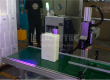
UV Coding Machine and Production Lines realize seamless integration through hardware‑signal linkage, software data intercommunication and timing synchronization debugging. The printing process automatically completes coding marking following the assembly line, eliminating manual triggering, manual re‑printing and manual print‑position adjustment throughout the whole procedure.
Two Major Dimensions of Production‑Line Docking
1. Hardware‑Production‑Line Timing Synchronization
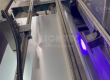
Photoelectric sensors, encoders and PLC control systems are adopted to bind coding trigger signals with conveyor belt speed in real‑time. When products reach the printing station, the printhead starts ink jetting instantly, and the UV curing lamp completes ink curing synchronously. The printing rhythm of the UV coding machine automatically follows the acceleration and deceleration of the conveyor belt to avoid printing misalignment, missing prints and duplicate prints.
2. Software‑Data Docking with Upper‑Level Systems
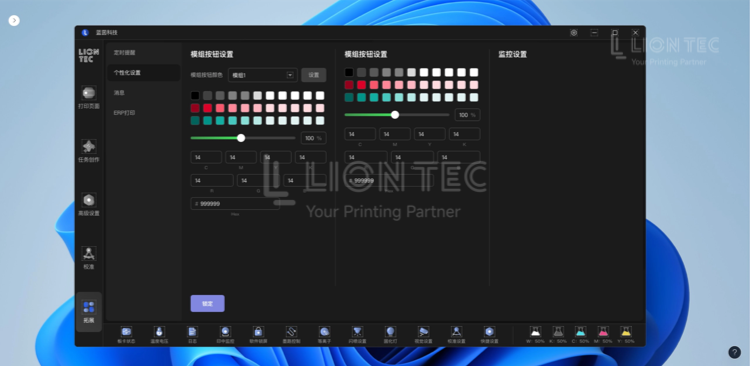
Via industrial communication interfaces such as Ethernet and RS485, the main unit of UV coding machine performs two‑way docking with production‑line PLC, MES and ERP traceability systems. It receives variable printing data including work order batches, one‑item‑one‑code serial numbers and UDI medical device codes in real‑time. After printing, coding records are sent back to the factory database to realize closed‑loop management for automated marking.
Practical Steps for Production‑Line Docking
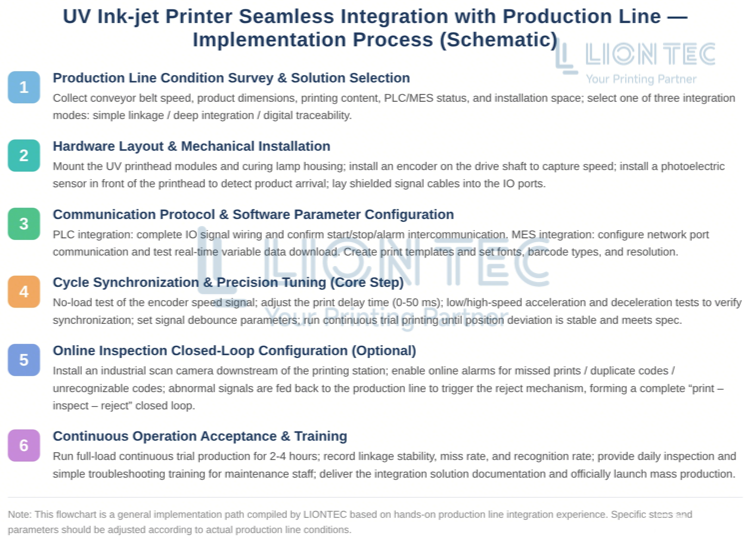
I. Production‑Site Condition Survey & Docking Solution Selection
- Collect core on‑site production‑line parameters Gather the maximum conveyor operating speed, product dimension, planned printing content (static text / variable QR codes), type of existing production‑line control system (PLC / MES availability), and available installation space at the printing station. Select the proper docking mode based on survey results.
- Simplified linkage Photoelectric sensor + encoder (preferred for legacy production lines without PLC); Deep integration: PLC signal linkage (medium‑high‑speed high‑precision assembly lines); Digital traceability integration: Ethernet TCP‑IP docking with MES/ERP (one‑item‑one‑code projects).
II. Hardware Layout & Mechanical Installation
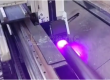
- Fix the UV printhead module and UV curing lamp housing above the printing station of the assembly line, and reserve the standard printing distance from printhead to product surface.
- Mount the encoder on the driving shaft of the conveyor to collect real‑time production‑line speed data.
- Install photoelectric / fiber‑optic sensors in front of the printhead to detect product arrival signals in advance.
- Lay shielded signal cables, connect sensors and encoder wiring to the IO trigger ports of the UV coding machine main unit. Complete cable protection to prevent loose connections caused by assembly‑line vibration and pulling.
III. Communication Protocol & Software Parameter Configuration
- For PLC docking solution: Complete IO signal wiring between UV coding machine and production‑line PLC, and verify mutual communication of start, stop and fault‑alarm signals.
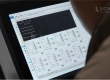
- For upper‑level system data docking: Configure network‑port communication, debug database and API interfaces, and test whether variable serial‑number data can be delivered to the coding machine main unit in real‑time.
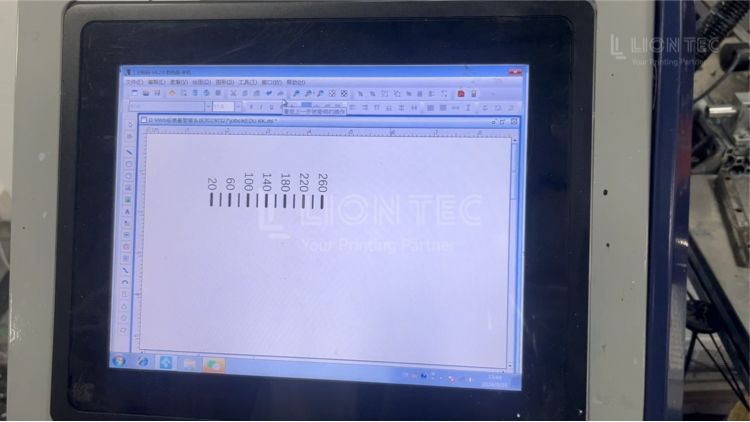
- Create corresponding product printing templates inside the coding system, and pre‑set parameters including font, code format and resolution.
IV. Timing‑Synchronization Precision Debugging (Core Step for Successful Docking)
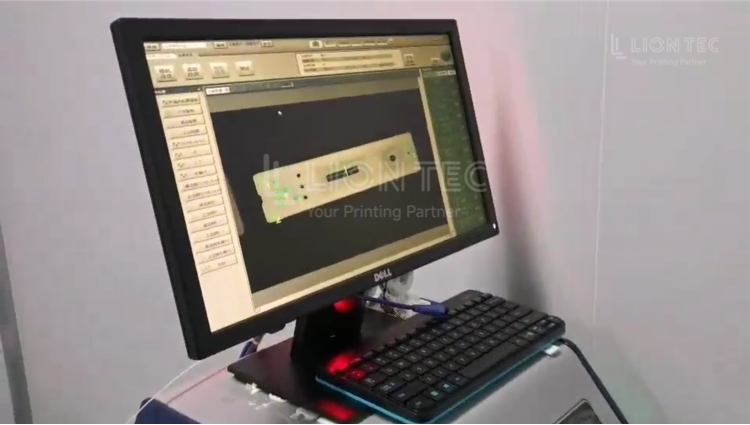
- Run the assembly line without load to test stable transmission of encoder speed signals to the coding machine main unit.
- Place test products and gradually adjust printing delay within the range of 0‑50 ms until marks are printed precisely when products pass the printhead position.
- Conduct low‑speed, high‑speed acceleration‑deceleration tests on the production line. Check synchronous printing position, eliminate sensor false triggering caused by vibration, and set signal anti‑jitter parameters.
- Perform repeated test printing until position deviation of continuously printed samples meets stable requirements.
V. Add On‑Line Inspection Closed‑Loop (Optional Value‑Added Configuration)
- For high‑speed trace‑oriented production lines, install an industrial code‑reading camera downstream of the printing station. Enable on‑line alarms for missing prints, duplicate prints and unrecognizable QR codes. Send abnormal‑printing signals back to the production line, and link the rejecting mechanism to automatically discharge defective products, forming a complete “printing‑inspection‑rejection” closed‑loop.
VI. Continuous Trial‑Run Acceptance & Operator Training
- Run the production line under full‑load trial production for 2‑4 consecutive hours. Record operating data including linkage stability of coding machine and production line, missing‑print rate and recognition rate. After debugging passes acceptance, provide workshop maintenance personnel with training on routine inspection and simple troubleshooting of the linkage system. Deliver complete docking‑solution documents for formal mass‑production.
Conclusion
Seamless docking between UV coding machine and production line is essentially a systematic project that upgrades coding‑marking equipment from a “stand‑alone tool” to an “in‑line production process”. Every link from physical installation and signal linkage to data intercommunication directly affects production‑line operating efficiency and product quality.