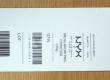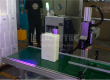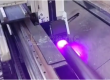
In the field of industrial coding and marking, successful UV Coding Machine Integration with production lines is only the first step. The real test lies in commissioning and acceptance after integration, which determines whether the equipment can operate stably for a long time and if the printing quality can consistently meet standards.
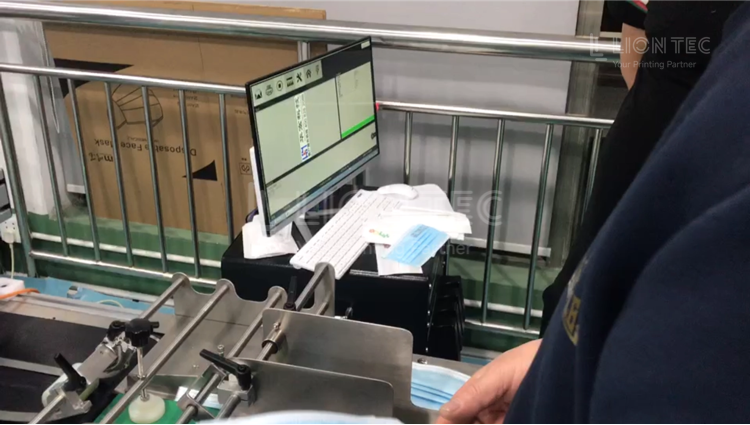
Standardized Commissioning & Acceptance for UV Coding Machine Integration
I. Hardware Wiring & Mechanical Recheck Commissioning | Accept Electrical Safety and Installation Precision
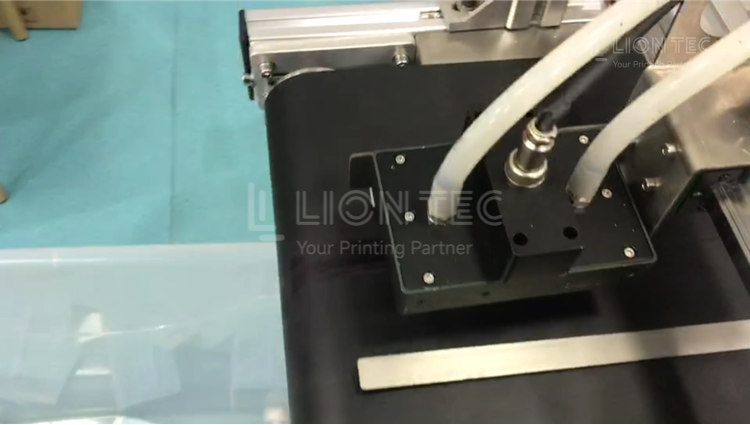
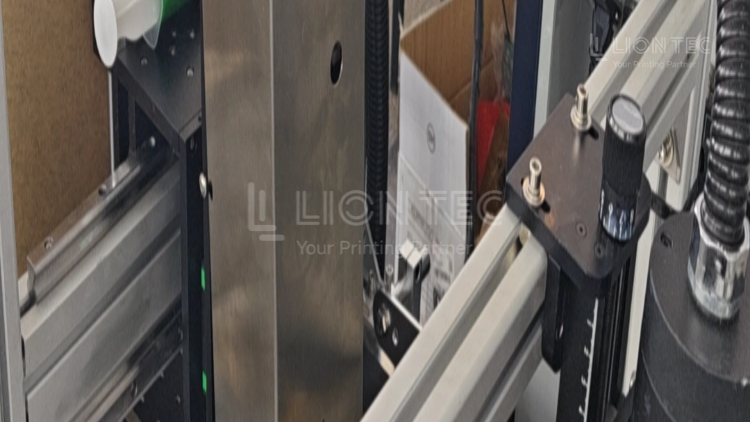
- Inspect mechanical fixation of printhead brackets, curing lamps, photoelectric sensors and encoders. Lay shielded signal wires independently, kept away from inverter power cables. The main unit and curing unit shall have separate grounding. Verify power voltage. The encoder is mounted on the production line drive roller to prevent slipping.
- Ground resistance ≤4Ω, insulation resistance ≥1MΩ. Maintain stable height between printhead and substrate without shaking under vibration. Cable connections are firm with no signal fluctuation caused by electromagnetic interference.
II. Signal Synchronization & IO Linkage Commissioning | Accept Trigger and Synchronization Precision
- Run the production line with no load, read encoder pulse signals, configure photoelectric trigger + encoder synchronization mode. Set printing delay (0~50ms) and signal debounce parameters. Test under low speed, rated speed, acceleration & deceleration conditions respectively, and gradually calibrate the printing timing sequence.
- Continuous sample printing position deviation ≤±0.5mm (can be tightened to ±0.2mm for high-precision UDI / photovoltaic codes as required). No accidental missing print, blank print or duplicate print, with stable trigger response.
III. Printing Ink & UV Curing Parameter Commissioning | Accept Mark Appearance and Adhesion
- Create product printing templates, set resolution and droplet size. Gradient-tune UV curing energy, print test samples, inspect character edges and satellite drops. Conduct adhesion tests via alcohol wipe and dry cloth abrasion.
- Sharp character edges without diffusion, satellite drops or nozzle missing. 2D code / barcode scanning grade meets GB/T 34000-2016 standard. Ink layer is fully cured; no ink removal, sticking or cracking after wiping.
IV. Host Computer / MES Communication Commissioning | Accept Variable Data Interaction Capacity
- Connect to PLC or MES, test variable code issuance and task switching. Simulate network disconnection, emergency stop and batch change, verify anti-duplicate coding logic and enable defective alarm signal output.
- Receive variable serial numbers continuously without code mixing or loss. Normal alarm is triggered under abnormal status, and print result feedback is supported (configurable on demand).
V. Full-load Continuous Trial Run Acceptance, Delivery Documentation & Operation Training
- Use actual materials for 2~4 hours of non-stop trial operation at the rated line speed and record defect data. For matched visual inspection & rejection systems, synchronously verify detection, alarm and rejection closed-loop. Train on-site maintenance personnel after commissioning, and file the complete docking plan, parameter sheet and sample archives.
- During continuous operation, the coding defect rate meets process agreement, barcode reading rate stays steadily qualified, and there is no unscheduled equipment shutdown. Full commissioning records, parameter documents and retained samples shall be fully delivered.
Advantages of Commissioning & Acceptance for UV Coding Machine Integration
- Mitigate Risks of Mass Defects in Volume Production Identify hidden risks including printing position deviation, insufficient curing and barcode reading failures in advance, preventing large batches of non-conforming marks, rework and customer returns after formal production launch.
- Ensure Stable Production Line Linkage Standardized commissioning eliminates signal interference and timing misalignment issues, reduces missing prints, duplicate prints and blank prints, cuts downtime troubleshooting frequency, and stabilizes production line takt time.
- Meet Industry Compliance & Traceability Requirements For applications such as medical UDI, photovoltaics and food packaging, printed samples, barcode grades and continuous operation records are archived during acceptance to satisfy regulatory requirements and customer audit documentation.
- Clarify Delivery Boundaries Between Buyer and Seller Quantify acceptance metrics to avoid subjective disputes at the delivery stage. Commissioning and acceptance documents serve as delivery certificates to facilitate subsequent maintenance and fault tracing.
Conclusion
The commissioning and acceptance after UV Coding Machine Integration serves as a critical bridge between equipment installation and stable production launch. Standardized commissioning procedures maximize the performance potential of the equipment, while stringent acceptance criteria deliver quality assurance for long-term stable production.
LIONTEC is committed to providing customers across industries with full-process technical support, ranging from equipment selection and production line retrofitting to commissioning and delivery.