Food beverage Industry manufacturers often face printing troubles: ink peeling in cold storage, blurred text after hot filling, and weak ink adhesion on PE flexible packaging bags.
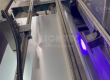
Our UV Printer for Food & Beverage Packaging delivers customized solutions for all production scenarios, helping you avoid common printing pitfalls such as non-compliant labeling, production yield loss and high consumable costs.
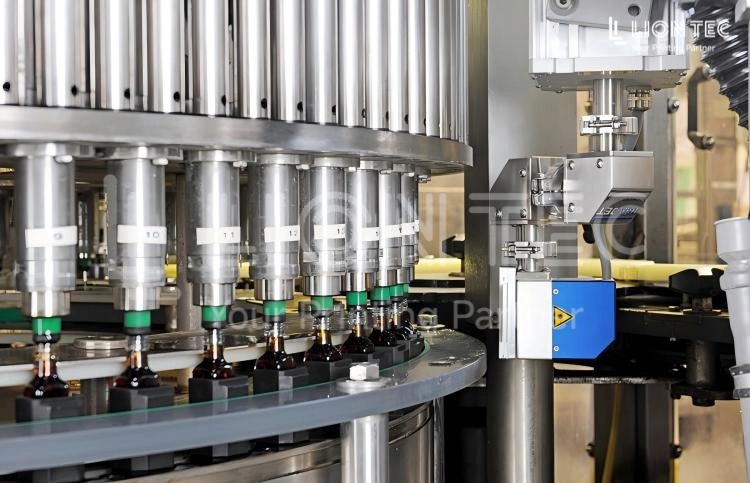
Breakdown of Common Printing Challenges in Food & Beverage Industry
1. Low-Temperature Cold Storage
Cold chain logistics is the standard warehousing environment for dairy, frozen food and refrigerated beverages. After printing with conventional solvent-based or water-based inks, prints will suffer brittle ink layers, peeling and faded blurry characters under long-term low temperatures (-18°C~5°C) and high humidity condensation.
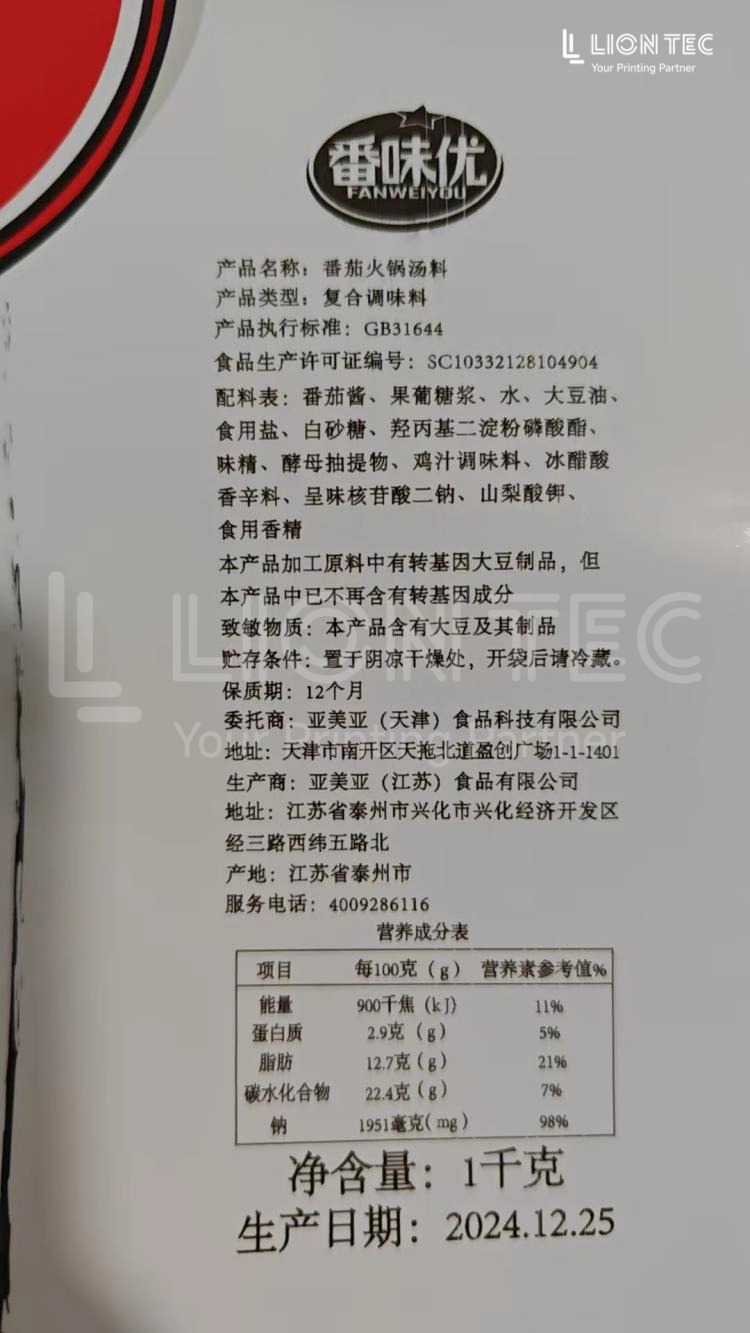
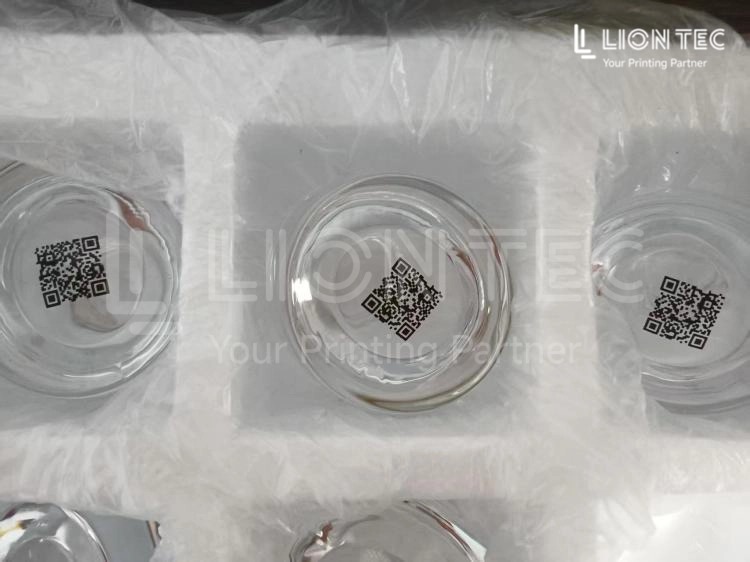
Conventional printed labels will become largely unreadable for batch codes and traceability QR codes after cold storage turnover and friction during cold chain transportation. Random inspections by market supervision authorities frequently judge such labels non-compliant, leading to scrappage and rework of full batches of goods.
In addition, drastic day-night temperature swings in cold storage workshops cause frequent clogging of ink circuits on ordinary printing equipment, requiring repeated shutdowns for cleaning and severely disrupting production line throughput.
Conventional printed labels will become largely unreadable for batch codes and traceability QR codes after cold storage turnover and friction during cold chain transportation. Random inspections by market supervision authorities frequently judge such labels non-compliant, leading to scrappage and rework of full batches of goods.
In addition, drastic day-night temperature swings in cold storage workshops cause frequent clogging of ink circuits on ordinary printing equipment, requiring repeated shutdowns for cleaning and severely disrupting production line throughput.
2. High-Temperature Hot Filling Production Lines
For hot filling processes of fruit juice, tea drinks and functional beverages, bottles and packaging exit furnaces at 70~95°C, with some products undergoing secondary high-temperature pasteurization later.
Characters printed with traditional oil-based inks will melt, smudge and fade under high heat. Laser printing easily scorches the surface of PE and PET packaging, leaving white scratches that compromise packaging sealing performance.
Many factories adopt a fill-first-then-print workflow; hot base materials drastically weaken ink adhesion, resulting in incomplete labels after short-term storage, failing to clearly display mandatory information such as production dates and shelf lives.
Characters printed with traditional oil-based inks will melt, smudge and fade under high heat. Laser printing easily scorches the surface of PE and PET packaging, leaving white scratches that compromise packaging sealing performance.
Many factories adopt a fill-first-then-print workflow; hot base materials drastically weaken ink adhesion, resulting in incomplete labels after short-term storage, failing to clearly display mandatory information such as production dates and shelf lives.
3. PE Flexible Packaging Bags
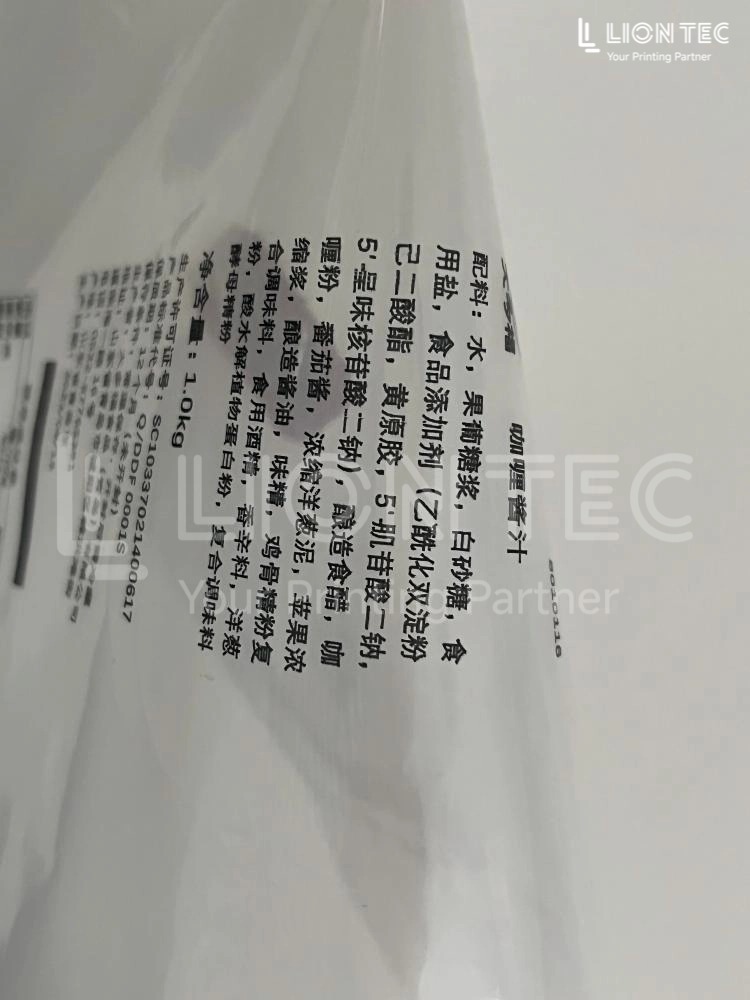
PE film bags are widely used for snacks, frozen ingredients and pouch beverages. PE material features extremely low surface energy with smooth, non-porous surfaces. Prints made with regular inks only rest atop the material and peel off entirely with minor rubbing, water contact or abrasion.
Furthermore, PE bag production lines commonly run at 150–300 meters per minute. High-speed film vibration triggers ink splattering, missed printing and overlapping characters. Static buildup on thin films also distorts ink droplet trajectory, drastically reducing clarity for QR codes and fine ingredient text, with traceability scanning pass rates falling below 60% and hindering full-chain traceability management for manufacturers.
Furthermore, PE bag production lines commonly run at 150–300 meters per minute. High-speed film vibration triggers ink splattering, missed printing and overlapping characters. Static buildup on thin films also distorts ink droplet trajectory, drastically reducing clarity for QR codes and fine ingredient text, with traceability scanning pass rates falling below 60% and hindering full-chain traceability management for manufacturers.
Solution
Our UV Printer for Food & Beverage Packaging is equipped with an LED cold curing module. Its piezoelectric printhead precisely ejects food-contact grade UV ink, which instantly cures within 0.1 seconds under UV ultraviolet light. The ink forms a dense polymer film on packaging surfaces that resists low-temperature condensation, high-temperature baking and the low surface energy of plastic materials.
The whole machine features an IP54 moisture-proof and dust-proof enclosure, adapting to humid and dusty working conditions in food workshops. One single unit meets all printing demands for cold storage, hot filling and PE bag scenarios, eliminating all printing risks across every production environment.
The whole machine features an IP54 moisture-proof and dust-proof enclosure, adapting to humid and dusty working conditions in food workshops. One single unit meets all printing demands for cold storage, hot filling and PE bag scenarios, eliminating all printing risks across every production environment.
Core Advantages
- Avoid risks from regulatory random inspections and reduce losses caused by scrapped goods
- Improve continuous production line throughput and cut downtime-related costs
- Cover multiple production scenarios with one unit to lower full-lifecycle equipment investment
- Enable complete product traceability and support digital production management
Conclusion
Traditional printing equipment can hardly resolve all production risks in one go.
As a professional manufacturer of industrial inkjet printing devices, LIONTEC launches a complete set of food-grade UV Printer solutions tailored to diverse production scenarios. With scenario-specific special inks, matching accessories and standardized commissioning & operation workflows, our system addresses every printing pitfall across different working conditions.
It balances three core demands: compliant labeling, production line throughput and long-term operation costs, catering to the stable long-term printing needs of all food & beverage manufacturers covering frozen food, hot-filled drinks and packaged snacks.
As a professional manufacturer of industrial inkjet printing devices, LIONTEC launches a complete set of food-grade UV Printer solutions tailored to diverse production scenarios. With scenario-specific special inks, matching accessories and standardized commissioning & operation workflows, our system addresses every printing pitfall across different working conditions.
It balances three core demands: compliant labeling, production line throughput and long-term operation costs, catering to the stable long-term printing needs of all food & beverage manufacturers covering frozen food, hot-filled drinks and packaged snacks.