As China’s regulatory system for the Chinese herbal medicine slice industry continues to improve, traceable packaging printing, compliant labeling and full-lifecycle traceability have become mandatory production standards. Traditional sticker labeling and outdated printing methods for packaging labels can no longer meet stringent drug inspection requirements.
UV inkjet printers have gradually replaced conventional identification equipment, emerging as the top upgrade solution for major Chinese herbal medicine slice manufacturers to modernize production lines, operate in full regulatory compliance, and realize end-to-end product traceability. They lay a solid foundation for standardized, high-quality development across the whole industry.
Professional FAQs for Industrial Inkjet Printer
Q1. Can traditional sticker labeling machines & standard ink meet regulatory standards?
They fail long-term compliance and carry extremely high risks during official inspections:
- Labels easily curl up or fall off under humid warehouse storage and friction during transit. Illegal tampering and batch replacement can be done effortlessly, violating the strict regulatory rule against altering labels by sticking new ones. Small sachets for herbal slices tend to wrinkle with sticker labels, resulting in blurry tiny print and high barcode scan failure rates. Manual labeling runs slowly, switching batches takes significant downtime, and mislabeling or missing labels happen frequently.
- Conventional ink contains VOC volatile organic solvents, which risks contaminating herbal slices and violates GMP hygiene standards for pharmaceutical production. It cures slowly, causing smudged print on high-speed production lines. Adhesion on smooth materials like aluminum foil and aluminized film is poor; printed text fades and peels off after 3–6 months of storage, leading to direct inspection failure by drug regulators.
- These systems only work on paper and rigid plastic, and cannot be applied to aluminum foil bags or soft composite pouches. Engraving damages packaging sealing, leaving Chinese herbal slices vulnerable to moisture and deterioration. They cannot print colorful traceability QR codes, making full-lifecycle product tracking unachievable.
Q2. Pre-printed custom labels are already in use — why add an extra UV inkjet printer?
Pre-set print only delivers static fixed information, leaving variable data unable to comply with official rules:
- The New Regulations on Chinese Herbal Medicine Slice Labels mandate one unique dynamic traceability code for every single product unit, plus real-time updatable batch numbers and production dates. These details differ for every batch and every individual package.
- Pre-printing can only set static text such as product names and origins. Traceability codes, batch IDs and production dates cannot be mass printed in advance; manual handwriting or secondary sticker application becomes the only workaround, both of which violate regulatory bans. Factories producing multiple sizes and varieties of herbal slices must order separate custom label batches, leading to high inventory overhead and total waste of unsold outdated labels.
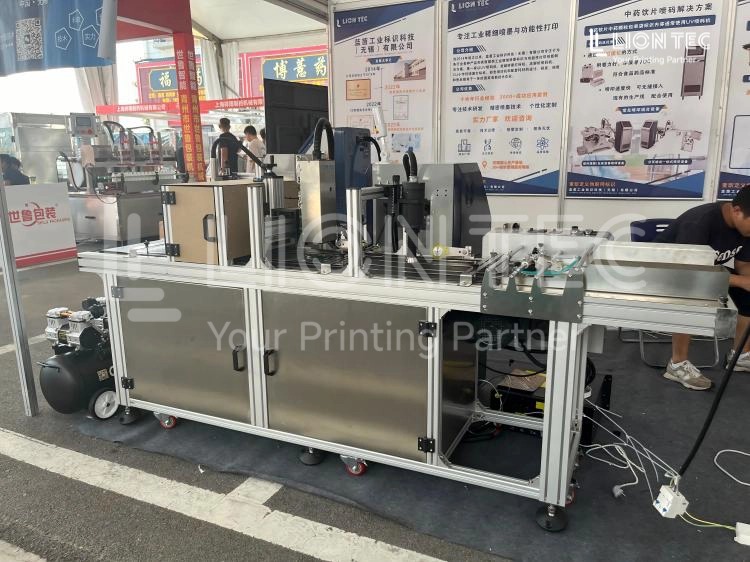
Packaging Label UV Inkjet Printers
This industrial printing equipment leverages instant UV light curing technology, developed specifically for compliant packaging printing in pharmaceutical and food industries. It has become the dominant printing solution for Chinese herbal medicine slice packaging labels:
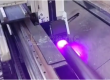
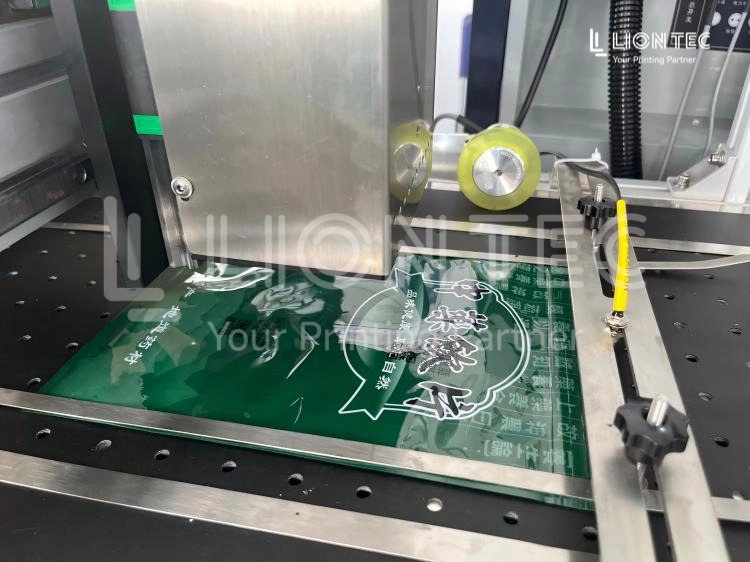
- Piezoelectric printheads eject eco-friendly UV ink onto packaging and label surfaces, paired with UV-LED lamps to complete curing within 0.1 seconds. The ink forms a dense protective film that resists bleeding, penetration, and delivers exceptional adhesion.
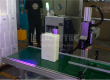
- It supports direct printing on all common packaging materials for herbal slices, including paper-plastic pouches, aluminum foil composite films, glass bottles, and woven bags. It handles offline printing on pre-made labels as well as inline real-time variable traceability printing connected to production lines.
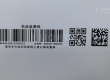
- It achieves high-resolution printing up to 1200 dpi for fixed text, dynamic batch numbers, production dates, high-density traceability QR codes, compliant UDI codes, origin codes and tiny characters; text as small as 0.5mm remains sharp and legible.
- Compared with traditional adhesive sticker labeling, solvent ink printing and laser engraving, UV inkjet printers fully satisfy all strict regulatory standards set by drug authorities for labels: clear print, long durability, tamper resistance, and unique printing for every individual product. It stands as the top upgrade equipment for herbal medicine manufacturers to meet compliance requirements.
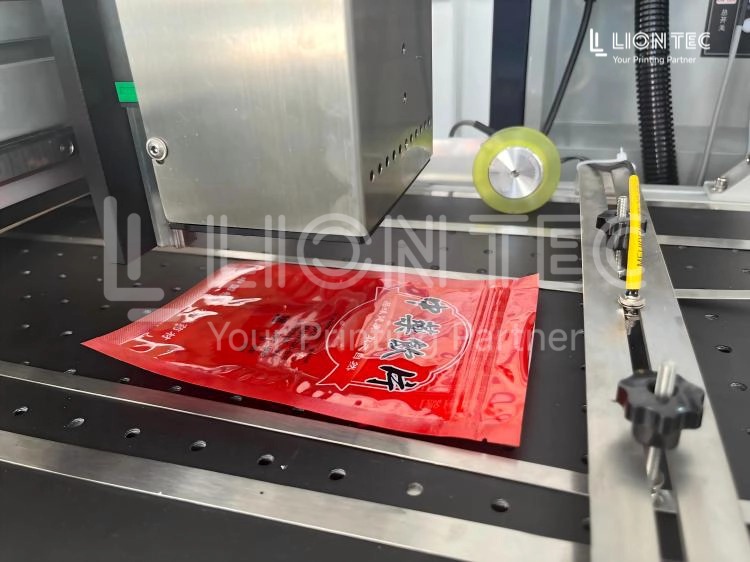
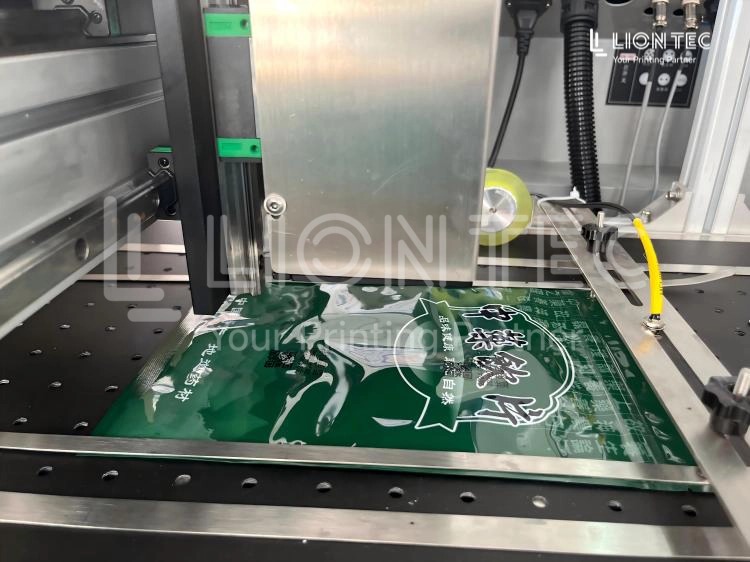
Conclusion
UV inkjet printer fully complies with all standards of the new drug regulatory rules, fundamentally resolving compliance challenges for packaging printing of herbal medicine slices. Meanwhile, it addresses manufacturers’ core production demands: cost reduction, quality improvement and efficiency boost.