3-Year Total Cost Comparison with Striking Cost Gap
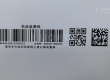
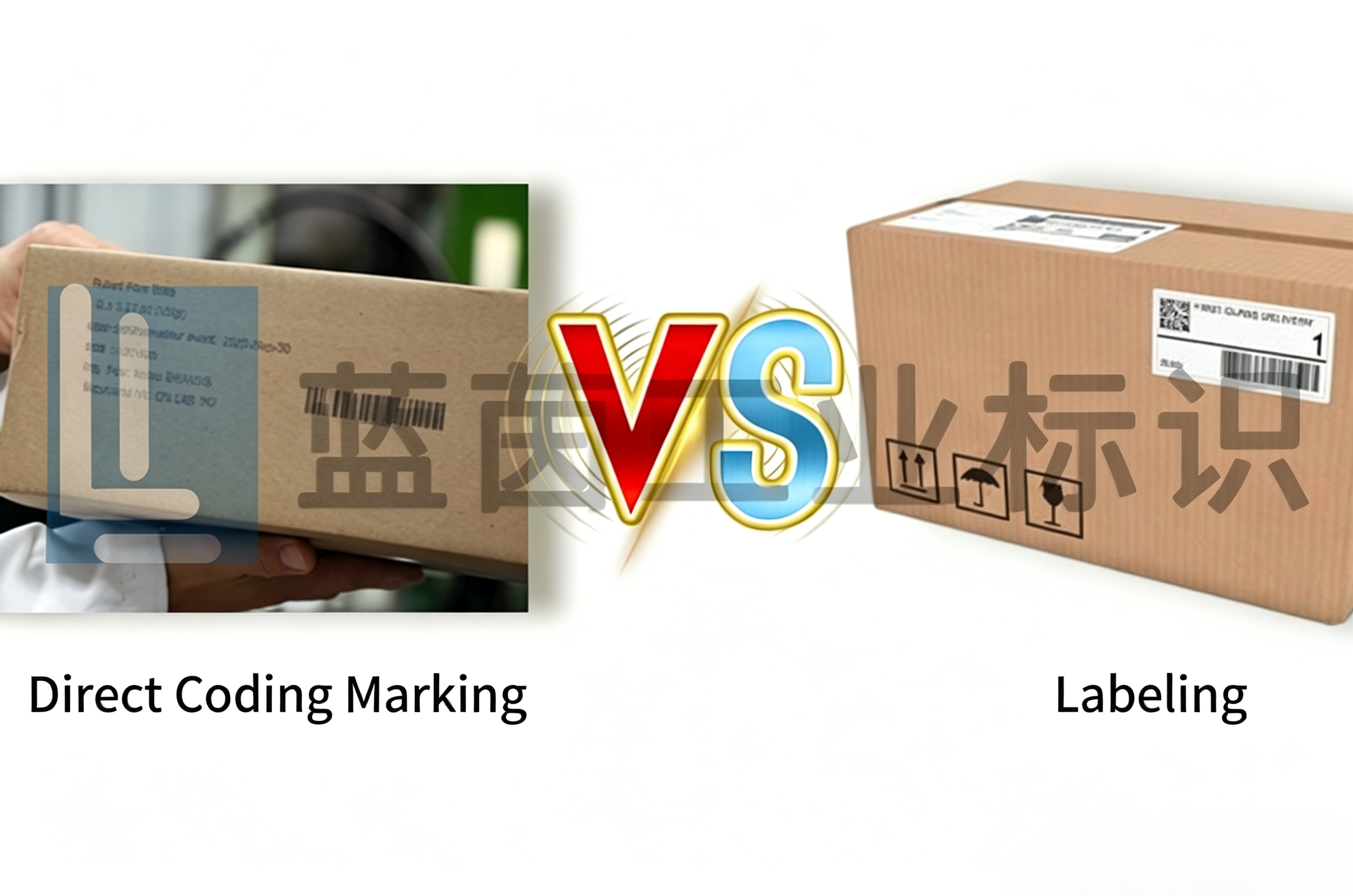
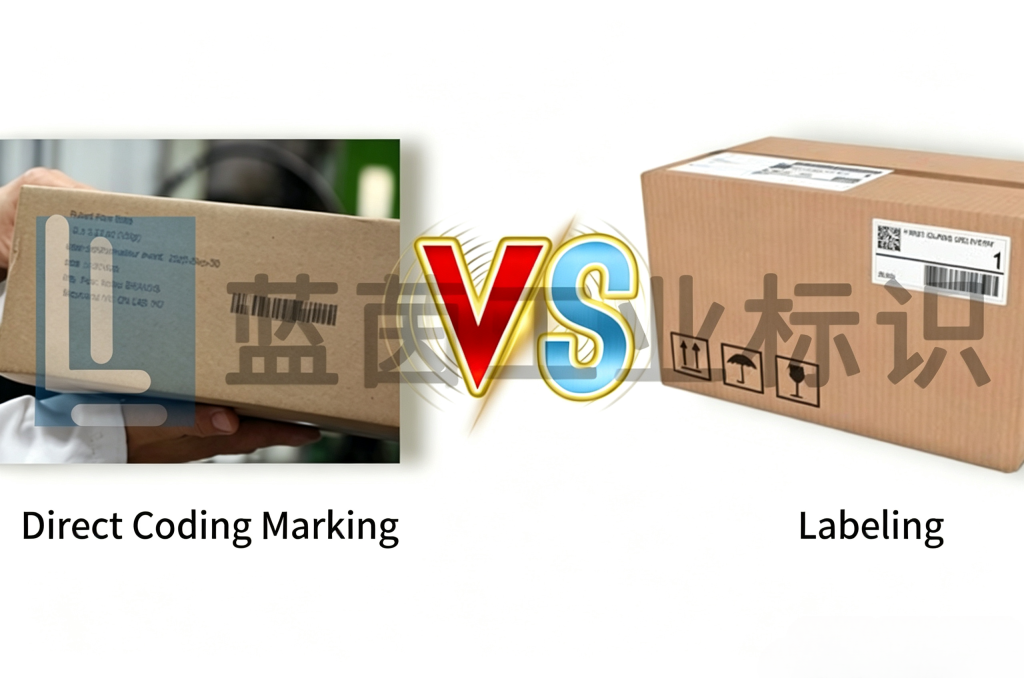
UV Inkjet Printing vs Traditional Label Sticking:In the fields of industrial packaging and product identification, these two solutions represent two entirely different technical approaches with core disparities in their overall cost frameworks. Traditional label sticking incurs scattered high costs across many aspects, including label raw materials, manual labor, warehouse storage and product waste. On the contrary, the cost of a UV inkjet printer mainly comes from equipment investment and UV ink consumption, with a more transparent and manageable cost structure.
Full Life Cycle Cost Analysis
Most enterprises only calculate the purchasing cost of labels when using traditional label sticking, ignoring a large number of hidden expenses. The total cost can be divided into two major categories: explicit costs and hidden costs.
1. Explicit Fixed Expenses
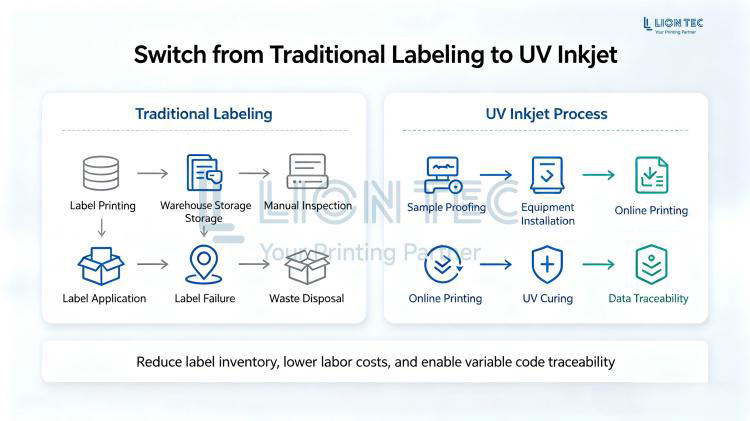
Self-adhesive label face stock, glassine liner, adhesive, label plate-making fees, die-cut processing fees, label applicator purchase cost, applicator spare parts, carbon ribbons and cleaning supplies; label warehouse storage fees and logistics fees generated from customized label orders. Under mass production, the material cost per single label, plate-making fees and startup costs will be amortized to each individual label.
2. Long-Term Hidden Costs
Labor for assembly line labeling, production line downtime losses caused by label applicator malfunctions, product scrapping costs due to skewed, warped labels and residual adhesive layers. Label content is fixed, meaning all old labels become waste once product parameters are revised; expired labels in inventory also create direct material losses, alongside labor fees for daily applicator maintenance. Hidden costs account for over 45% of total expenditures within three years.
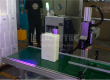
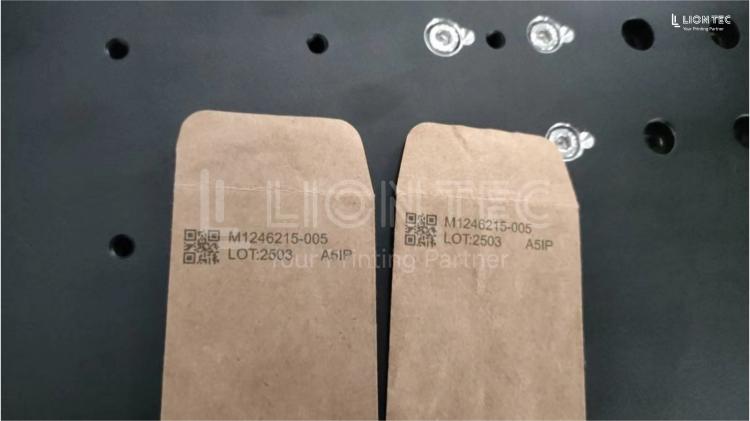
UV inkjet printing is a direct surface printing solution for products, eliminating the need for label paper, liners, carbon ribbons and other consumables. Its costs are split into upfront investment and post-operation expenses.
1. Upfront Investment
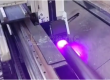
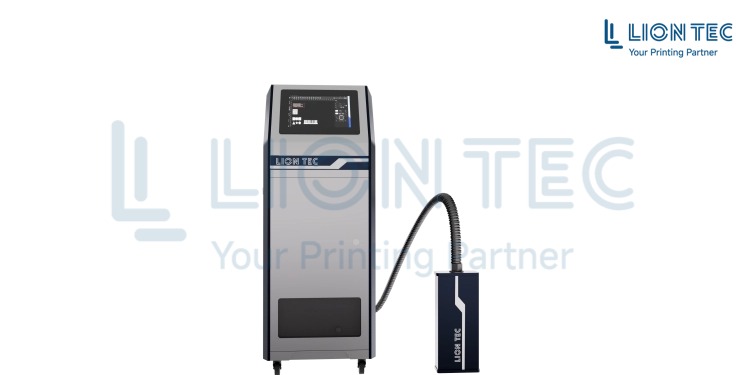
Piezoelectric UV inkjet printer main unit, LED-UV curing module, assembly line encoder, photoelectric sensor, equipment installation & commissioning and staff training fees. The equipment is a one-time purchase for long-term matching with production lines.
2. Post-Operation Running Costs
Special UV ink, printheads, UV lamps, filter elements, cleaning fluid consumables, minimal labor for annual equipment maintenance, and equipment electricity fees. UV ink is ejected on demand with zero volatile waste, reaching an ink utilization rate of 98%. No plate making is required; variable 2D codes, batch numbers and production dates can be edited online at any time. Only wearable spare parts need replacement later, with no excess material inventory buildup.
Traditional label sticking requires low initial equipment investment but incurs continuous consumable costs that drive rising total three-year expenditures year over year. UV inkjet printing carries higher upfront equipment investment yet extremely low ongoing consumable consumption. The unit printing cost declines steadily as output rises. Under the same annual production volume, the 3-year total comprehensive cost of a UV inkjet printer can drop by 60-70% compared with traditional label sticking, creating a remarkably substantial long-term cost gap.
Core Advantages of UV Inkjet Printing Solution
- Cut multi-layer hidden expenses and optimize corporate cash flow
- Compatible with modern production modes to meet compliance requirements of unique print per single product
- Reduce reliance on manual labor and support factory automation upgrading
Conclusion
Replacing traditional label sticking with UV inkjet printing is far more than a simple equipment swap; it represents a full digital upgrade of your product identification workflow. The striking total cost gap revealed in the comparison essentially stems from the combined benefits of boosted production efficiency, reduced consumable consumption, streamlined labor expenses and improved printing quality. For enterprises considering an upgrade to their identification solution, evaluating input and output over a three-year lifecycle delivers a much more rational decision-making perspective.