Glass Inner Code Printing serves as an innovative alternative solution to conventional adhesive labels for glass traceability management. In industries such as photovoltaic glass and electronic glass, traditional sticker labels are prone to falling off and fading under high temperature, high humidity, and ultraviolet environments, which breaks full-lifecycle product traceability. Meanwhile, continuous procurement of label paper, adhesive backing, ribbons and other consumables plus manual labeling work create heavy long-term operating cost burdens for manufacturers.
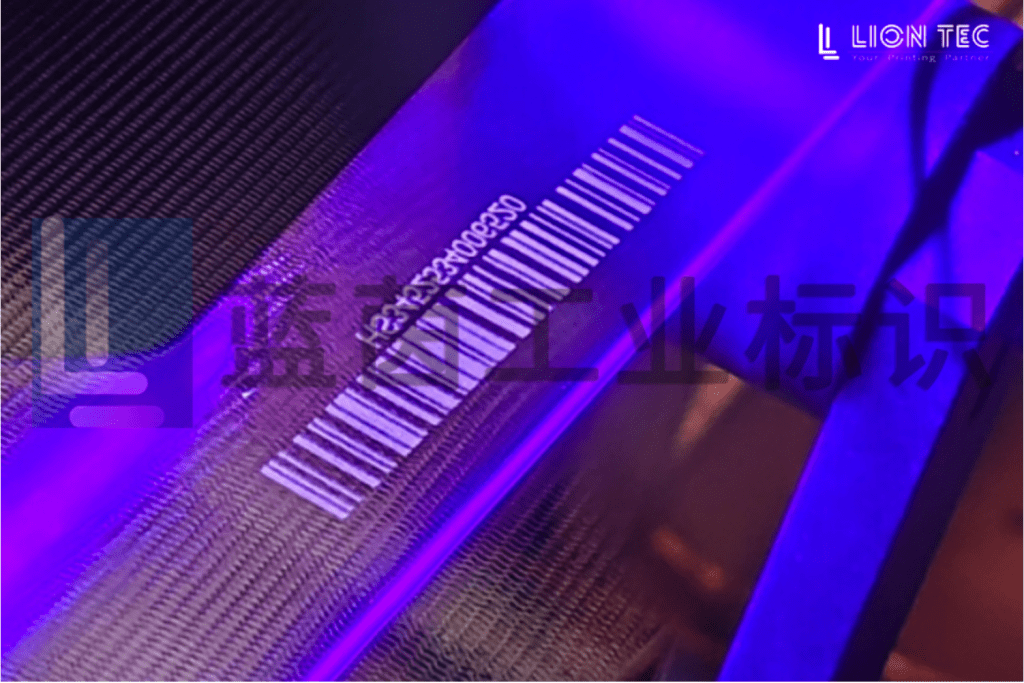
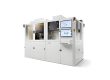
Backed by mature industrial inkjet technology, LIONTEC’s In-glass code printing technology delivers a highly reliable alternative. This industrial-grade UV inkjet system directly prints high-precision QR codes and serial barcodes on the inner surface of glass, embedding identification data into the glass substrate itself. This embedded printing method completely eliminates the risk of label peeling that plagues sticker-based traceability solutions.
Reliable inkjet barcodes, replacing barcode label paper
Q1. Reliability project testing
 Test Conclusion:

All reliability test items for inkjet printing on inner glass surfaces pass official standards.
Built on mature photovoltaic-grade inkjet printing processes, our nano UV curing ink forms ultra-durable printed layers on glass interiors. The printed marks remain intact and scannable after rigorous DH2000 (Double 85 high temperature & humidity) and UV500 ultraviolet aging tests, maintaining a barcode scanning success rate above 99.95%. This guarantees stable readable traceability data for the full 25+ year service life of photovoltaic glass products.
Cut Consumable Costs by Over 90%
Since label paper, adhesive backing, barcode ribbons and other disposable consumables are no longer required, factories can slash overall material and inventory costs by more than 90%. In addition, fully automatic online inkjet printer printing replaces slow manual labeling (usually less than 200 pieces per hour), drastically lifting production line automation and throughput.
Streamlined Process & Eco-Friendly Production
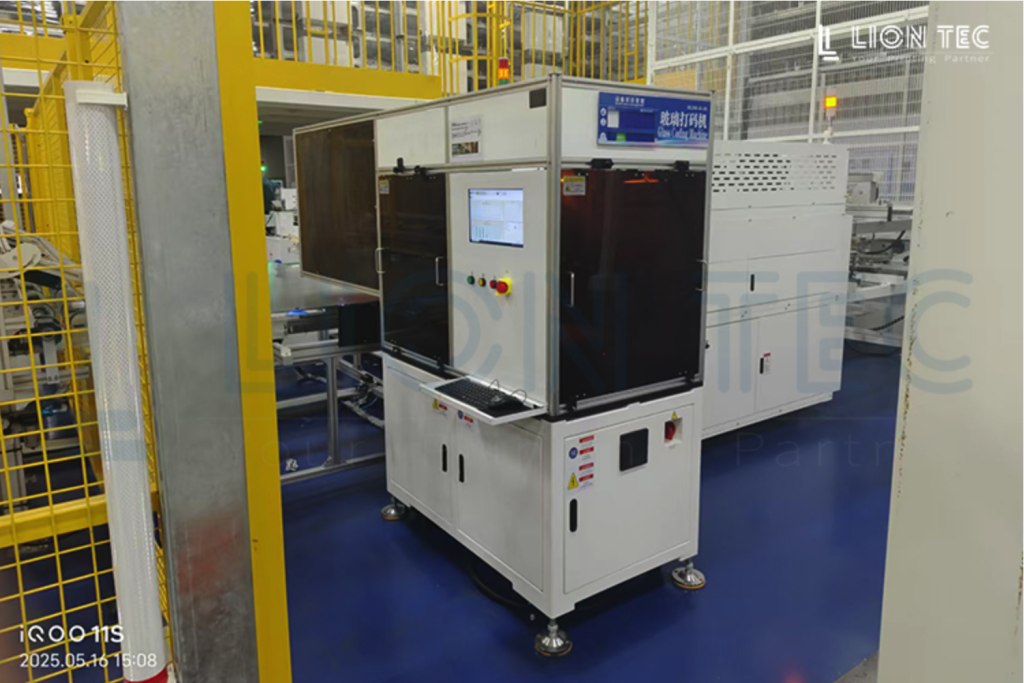 The non-contact printing process will not scratch or damage glass surfaces. Our dedicated UV ink adopts zero-VOC solvent-free formula, fully compliant with green manufacturing and clean workshop standards across the packaging and new energy sectors.
 Reliability Test Summary:Both DH2000 damp heat aging and UV500 ultraviolet aging test results meet industry standards. The in-glass UV inkjet printing process delivers stable long-term marking performance on inner glass surfaces, acting as a fully qualified replacement for traditional adhesive labels. It is widely applicable to photovoltaic glass, electronic display glass, home appliance glass and other fields requiring long-term permanent product traceability.
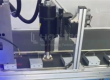
LIONTEC’s mature Glass Inner Code Printing solution adopts industrial UV inkjet equipment to print permanent QR codes and serial barcodes directly on the inner layer of glass substrates. Unlike surface printing which easily fades or scratches under outdoor exposure, embedded inner printing layers stay intact after thousands of rounds of weathering tests, sustaining a barcode scanning success rate over 99.95%. We have completed full strict reliability verification including DH2000 double 85 high temperature & humidity test and UV500 ultraviolet aging test, fully supporting over 25 years of stable product lifecycle traceability. The whole system can be matched with automatic vision inspection equipment to automatically screen offset, blurry or missing codes, realizing fully automated online marking production. By removing sticker-related consumables and manual labeling procedures, our glass inner code printing solution cuts total material and labor expenditure by more than 90%. Meanwhile, non-contact inkjet processing avoids surface damage to glass, and eco-friendly solvent-free UV ink eliminates workshop VOC pollution risks. This complete marking system serves photovoltaic module glass, electronic display glass, home appliance glass and all other glass-based products with strict durability and environmental compliance traceability demands.