LIONTEC | Horizontal Evaluation of UV Inkjet Printer in Six Core Dimensions
Against the backdrop of industrial development and intelligent manufacturing, UV printing technology has evolved beyond a simple coding tool. It has become a core node for enterprises to realize product traceability, anti-counterfeiting management and digital connectivity. Confronted with a marketplace flooded with diverse brands and complex parameters of UV inkjet printers, many manufacturers struggle to select industrial-grade equipment equipped with high-adhesion UV ink systems and stable production line compatibility. Centered on LIONTEC industrial printing equipment, this paper conducts an in-depth analysis across six core dimensions to deliver objective and detailed decision-making references for your equipment selection:
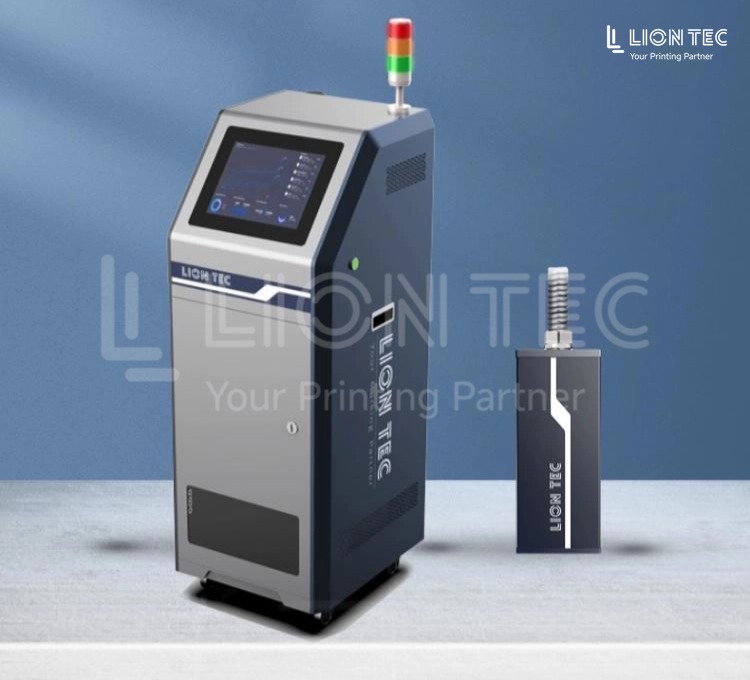
Six Core Evaluation Dimensions of UV Inkjet Printers
1. Printing Accuracy & Ink Drop Control
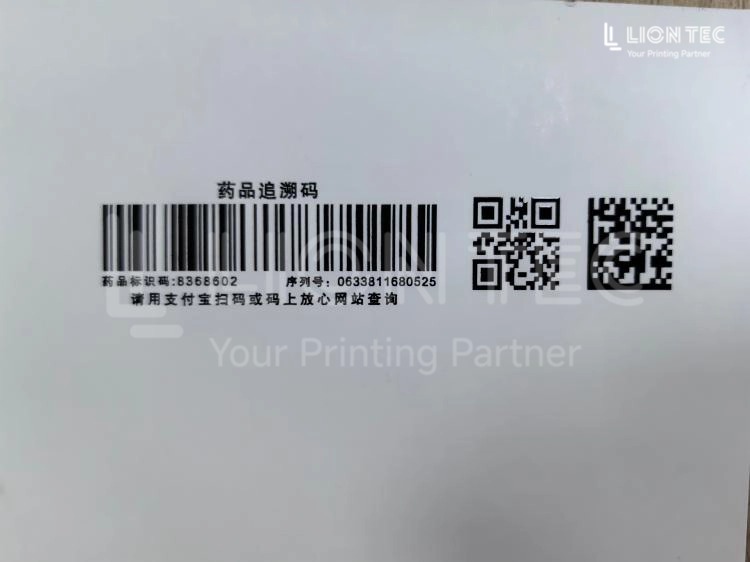
As the primary metric to grade equipment quality, this parameter determines the clarity of printed marks as well as the first-pass read rate of barcodes and QR codes. High-end printers support variable ink drop technology, delivering crisp, well-defined characters even under high-speed production conditions.
2. Core Printhead & Hardware Configuration
Printheads function as the “heart” of UV inkjet printers. Fully imported industrial piezoelectric printheads lay the physical foundation for long-term stable operation, and the inherent precision of different printheads sets the maximum production capacity ceiling for the equipment.
3. Ink Adhesion Strength & Substrate Compatibility
Formulation of UV ink constitutes core technical barriers. The evaluation assesses ink adhesion performance on low-surface-energy substrates including PE, PP, metal and glass. LIONTEC self-developed ink formulations effectively resolve adhesion challenges on difficult-to-print materials such as polyolefin substrates.
4. Software System & Data Processing Performance
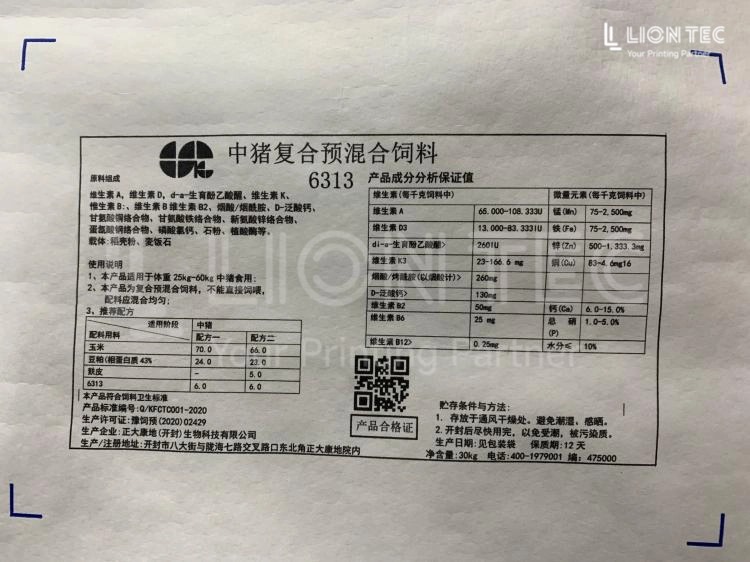
Industrial applications demand not only fast printing speed but also reliable data output. The proprietary software system’s capabilities in variable data printing, real-time database access and multi-level anti-counterfeit code generation directly govern whether the printer can match intelligent production scheduling requirements in industrial environments.
5. Curing Efficiency & Energy Consumption Performance
UV-LED cold light curing technology has become the mainstream solution. Evaluations focus on the intelligent power adjustment function of the curing system, which directly impacts operational energy costs and the printer’s compatibility with heat-sensitive materials.
6. After-Sales System & Full Lifecycle Services
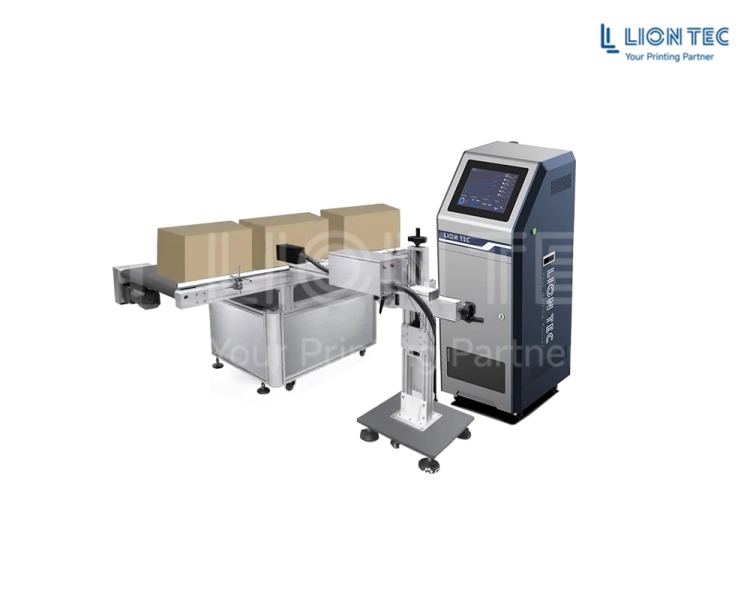
The value of industrial equipment lies in stable continuous production. The coverage of service networks, response efficiency, and the supplier’s capability to deliver customized full-package solutions from scheme design to visual inspection serve as the critical benchmark for evaluating a manufacturer’s comprehensive strength.
Equipment Selection FAQs
1. Compared with mainstream generic brands on the market, how is the adhesion performance when printing on complex substrates?
Conventional inks struggle to adhere firmly to smooth plastic films (e.g. PE, PP) or specially treated metal surfaces, with printed marks prone to being wiped off. Backed by its self-developed ink formulation laboratory, LIONTEC customizes exclusive UV curable inks matching different substrate surface energy.
Through micron-level precise droplet deposition and instantaneous photocuring reaction, our solution greatly strengthens bonding force between ink layer and substrates. It fully meets stringent test standards of high-temperature resistance, alcohol resistance and abrasion resistance required by new energy batteries, auto parts and other industries.
2. Will the printer experience packet loss or system crash when printing variable QR codes linked to database calls on high-speed production lines?
LIONTEC adopts a full-stack self-developed software architecture with core algorithms optimized for high-speed data processing, supporting single-pass and multi-pass printing modes.
Equipped with robust built-in cache processing mechanism, our printers maintain stable data throughput during variable-data printing linked with ERP and MES systems. It effectively prevents missing codes and incorrect codes caused by data transmission delays, making it ideal for high-speed packaging lines and UDI traceability system deployment.
Conclusion
From the horizontal analysis covering the six dimensions above, it is clear that the strengths of LIONTEC UV inkjet Printers do not lie in superficial numerical advantages of individual parameters. Instead, they stem from the systematic coordination and in-depth customization capabilities enabled by our full-stack self-developed technology system.