Three Major Industry Trends: Eco-friendly Compliance, Intelligent Traceability & Flexible Manufacturing
Industrial Inkjet Printing Industry Trend Analysis
In 2026, China’s manufacturing industry witnesses synchronous upgrades in industrial supervision, digital transformation and multi-variety production models. Industrial inkjet printing is no longer a standalone printing process; instead, it acts as a core supporting segment covering full-process production compliance, data management and production line efficiency optimization.
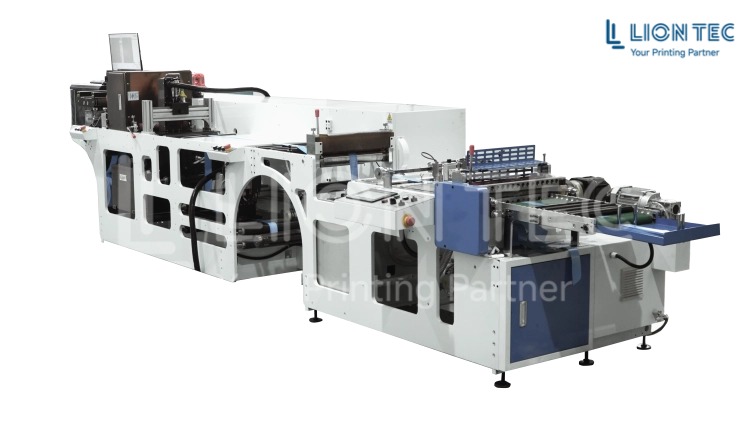
LIONTEC focuses on independent R&D and manufacturing of industrial inkjet printer equipment. In light of the annual rollout of industrial policies and transformation demands from end manufacturers, we dissect the three pivotal development trends of the industrial inkjet printing sector in 2026, delivering actionable implementation references of printing system upgrades for manufacturers in food, pharmaceutical, 3C electronics, packaging, textile and other industries.
Three Major Trends of Industrial Inkjet Printing
1. Eco-friendly Compliance
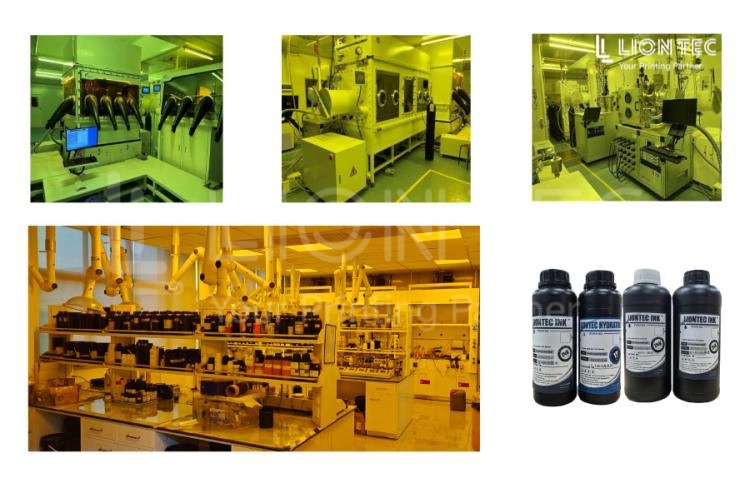
- Low VOC Consumable Compliance: Per new regulations issued by the Ministry of Ecology and Environment, high-solvent inks are banned for all newly installed inkjet printers starting in 2026. Water-based inks, solvent-free UV inks and laser consumable-free printing solutions are mandated for widespread adoption. Ink VOC content must stay below 50g/L to eliminate the risk of fines for excessive workshop waste gas emissions.
- Material Contact Safety Compliance: Inkjet printing consumables used for food, medical devices and infant products must meet food-contact standards, with zero heavy metal precipitation and no irritating volatile substances. They are safe for direct printing on food packaging, medicine boxes and medical plastic components.
- Full-process Eco-friendly Equipment Design: Complete machines come equipped with sealed waste liquid recovery and waste gas adsorption modules. Low-power piezoelectric printheads cut power consumption, while empty ink cartridges and used printheads can be recycled uniformly by manufacturers, satisfying green factory audit standards.
2. Intelligent Traceability
- Upgraded Basic Printing Carriers: Beyond traditional production dates, 1D barcodes and variable 2D codes, a single printed code carries full-chain data covering batches, raw materials, quality inspection and logistics.
- Intelligent Equipment Upgrade: Industrial inkjet printers feature native docking with MES, ERP, WMS production systems to auto-sync variable data without manual entry or editing.
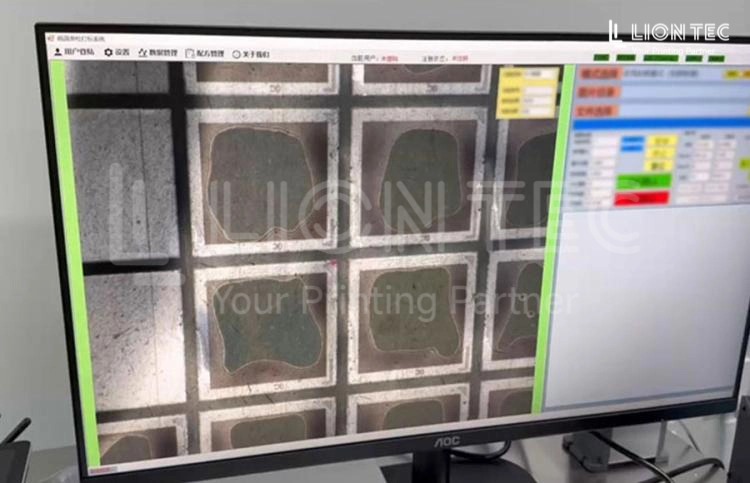
- Full-chain Closed-loop Traceability: Paired with inline visual inspection systems, the setup verifies print clarity in real time and automatically rejects misprinted or missing codes. Data synchronizes to national product traceability platforms to enable digital management of product recalls and channel source tracking.
3. Flexible Manufacturing
- Multi-substrate Compatibility: A single inkjet printer supports dozens of production substrates including paper cartons, plastic films, metals, PCBs, textile ribbons and glass without full machine replacement.
- Rapid Product Changeover: Pre-installed multiple printing templates allow one-click switching of product models, specifications and print formats, slashing line changeover debugging time by 80%.
- Flexible Production Line Adaptability: The equipment supports multiple installation layouts for assembly lines, reciprocating machines, robot linkage and offline workstations. Compatible with low-speed manual lines and high-speed fully automatic production lines, printing stations can be flexibly added or removed as needed.
Core Advantages of the Three Major Industry Trends
1. Avoid Policy Compliance Risks & Sustain Uninterrupted Production
Fully compliant with all 2026 new regulations covering VOC emissions, product traceability and food-contact materials. Our solutions pass dual random inspections from environmental and market supervision authorities, eliminating operational risks such as production suspension rectification, administrative fines and product removal from shelves, and guaranteeing continuous operation of production lines.
2. Connect Full Digital Production Chains & Cut Manual Management Costs
Intelligent traceability inkjet printers automatically synchronize production data, replacing manual batch number writing and manual ledger entry. Paired with inline visual inspection systems, they reduce manual re-inspection posts. Production line data is automatically uploaded to management systems, with one-click export of production reports and traceability ledgers, slashing labor management costs by over 30%.
3. Adapt to Multi-category Orders & Boost Production Line Delivery Flexibility
Flexible inkjet printing systems support rapid product changeover and simultaneous printing on multiple substrates. Factories no longer need to purchase multiple separate inkjet printers for different products, lowering fixed asset investment in equipment. For scattered small-batch orders and customized OEM contracts, printing content can be quickly adjusted to shorten order lead times and accommodate more differentiated client orders.
4. Long-term Reduction of Comprehensive Production & Operation Costs
Eco-friendly printing consumables and consumable-free laser solutions lower monthly consumable expenses. Integrated all-in-one equipment reduces purchases of auxiliary supporting machines. Fast product switching minimizes line downtime for debugging, raises output per unit time and amortizes unit printing processing costs for finished goods.
5. Meet Domestic & Global Market Access Standards to Expand Order Channels
Eco-friendly printing and single-item full traceability systems satisfy both domestic supervision rules and overseas export compliance standards for Europe, America, Russia and other regions. Factories equipped with complete inkjet printing traceability solutions pass big customer factory audits more easily, strengthening competitiveness in bidding and foreign trade order acquisition.
Conclusion
The three major trends of eco-friendly compliance, intelligent traceability and flexible manufacturing within the industrial inkjet printing industry in 2026 are not short-term industry fads. Instead, they represent mandatory long-term standards and core efficiency boosters for the manufacturing sector.
Customized by LIONTEC to fit production scenarios across food, pharmaceutical, electronics, packaging, textile and other verticals, our integrated full-set solutions combine eco-friendly inkjet printing, intelligent traceability and flexible production line adaptation. We deliver one-stop services including on-site surveying, solution design, equipment installation, system integration and year-round operation & maintenance. We help manufacturing enterprises keep pace with industry trends to achieve multiple operational targets: full compliance, higher productivity and lower overall costs.