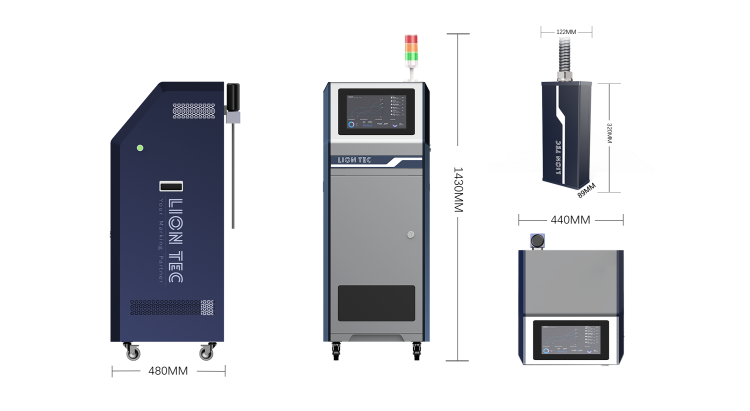
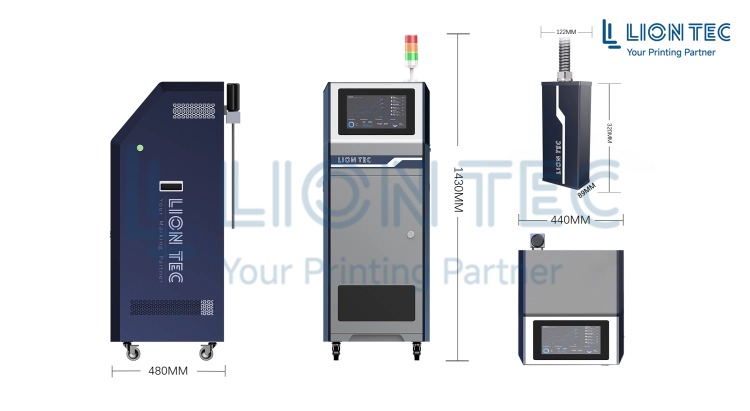
With strengths in high-resolution printing, instant curing and wide substrate compatibility, UV Coding Printers are extensively applied in production lines of medical devices, packaging, electronics and daily chemical industries. Most purchasers and maintenance staff only know basic operations, lacking a full understanding of the machine structure. They have to rely on after-sales service once malfunctions happen. This article elaborates on core functions of each component of UV Coding Printers to facilitate equipment selection, commissioning and routine maintenance for manufacturers.
Section Introduction of Each Component
1. Piezoelectric Printhead Unit
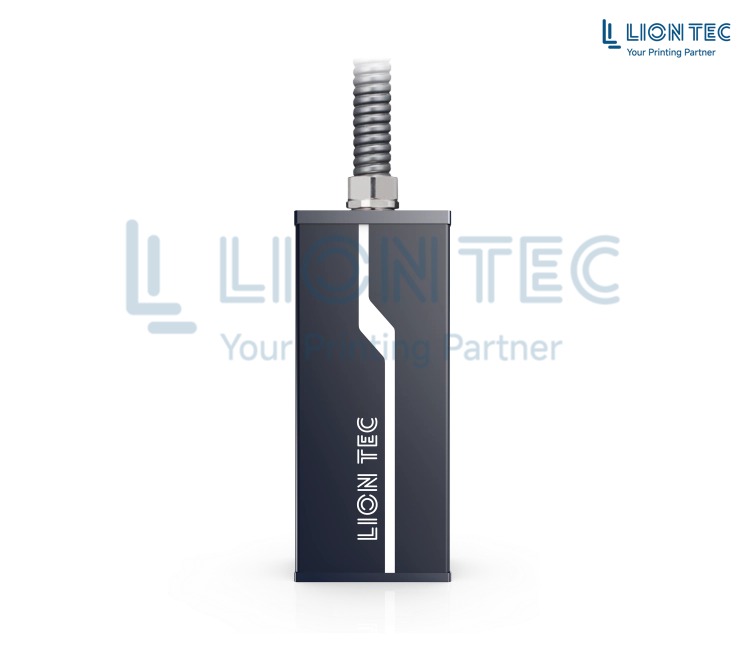
As the most critical assembly of UV Coding Printer, the printhead integrates piezoelectric crystals, micro nozzles and drive circuit boards. After the control system transmits electrical signals, piezoelectric crystals deform rapidly to squeeze the ink chamber, ejecting tiny UV ink droplets precisely onto product surfaces. It determines printing resolution and line sharpness, supporting printing of texts, LOGOs, barcodes and unique QR codes for individual items. Mainstream industrial models support multi-printhead splicing to widen the printing width.
2. Closed-Loop Ink Supply System
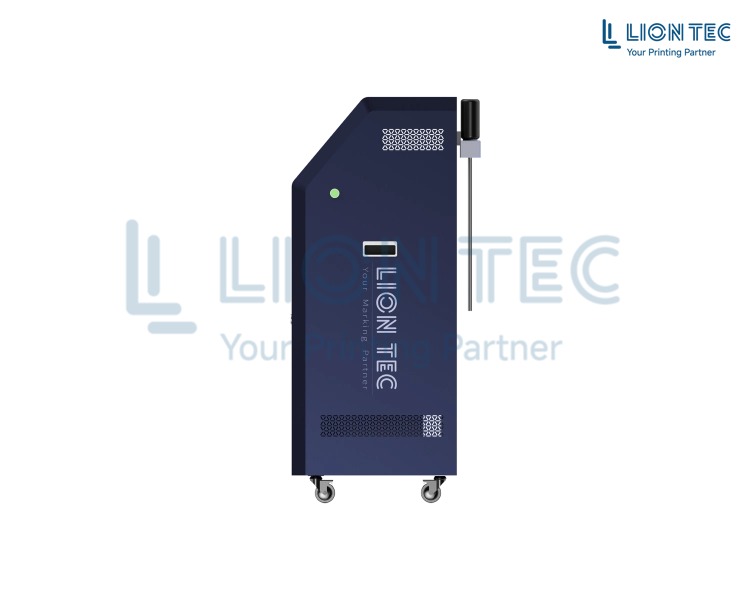
It consists of a main ink tank, auxiliary ink cabin, negative pressure module, multi-stage filters, ink tubes and degassing components. Its core function is to deliver UV ink stably and maintain standard negative pressure inside pipelines continuously to prevent ink leakage and interruption of the printhead. Filters block impurities in ink to avoid nozzle clogging. Some models support ink circulation to stop ink sedimentation during long static periods, suitable for non-stop mass production.
3. UV-LED Curing Unit
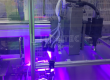
Composed of LED ultraviolet lamps, heat dissipation modules and driving power supplies. After ink droplets land on product surfaces, UV lamps emit ultraviolet rays at specific wavelengths to trigger photopolymerization of photosensitizers in UV ink, completing curing within milliseconds. It prevents smudging and blurring of marks, and serves as a distinctive component that differentiates UV Coding Printer from ordinary ink coding equipment.
4. Main Control System
Made up of an industrial control host, print control software and drive boards. It handles graphic editing, variable data retrieval and printing parameter adjustment, receives sensor signals, and synchronizes the start and stop of printheads and curing lights. It supports connection with MES and databases to realize online printing of dynamic variable data.
5. Sensor Synchronization Assembly
Including photoelectric sensors and synchronous encoders. Photoelectric sensors detect product positions to trigger printhead operation. Encoders collect real-time conveyor speed and dynamically match printing frequency. Even when the production line speed fluctuates, it ensures marks will not be stretched, compressed or misaligned.
6. Mechanical Mounting Frame Assembly
It comprises printhead brackets, height adjustment sliding tables and fixed profiles. The printing distance between printheads and products can be flexibly adjusted. Multiple mounting modes including side printing and bottom printing are supported, adapting to assembly line renovation. Meanwhile, it reduces interference to printing precision caused by production line vibration.
Daily Commissioning Procedures
1. Identify All Components of UV Coding Printer and Build Basic Understanding
Power off the machine. Distinguish the printhead unit, ink supply cabinet, UV curing lamp, photoelectric sensor and main control cabinet. Mark connecting cables and ink tube interfaces of each component. Familiarize yourself with module functions specified in the manual and record factory default parameters of the UV Coding Printer.
2. Clarify Component Linkage Logic and Master the Complete Workflow
Sort out the full operation sequence: photoelectric detection of products → signal transmission to main control system → command output from control system → printhead ejects UV ink droplets → synchronous curing triggered by UV lamp. Understand corresponding failures that will occur in the whole printing process if any single component malfunctions.
3. Perform Basic Parameter Commissioning and Establish Parameter Benchmarks
Run the UV Coding Printer under no-load condition to adjust printing height, ink supply negative pressure, UV lamp power and sensor sensing distance in sequence. Record standard parameters under normal production conditions. When abnormalities occur later, troubleshoot rapidly by comparing against these benchmarks.
4. Develop Periodic Maintenance Plan for Separate Components
Schedule maintenance by modules: replace filters of the ink supply system regularly; clean and moisturize printheads every day; remove dust on lamp covers of curing units periodically; keep sensor lenses clean; inspect and fasten cables routinely to eliminate potential failures of the UV Coding Printer.
5. Categorize and Review Faults to Accumulate Troubleshooting Experience
Keep detailed records every time poor printing quality appears, including fault symptoms, faulty components and solutions. Build long-term operation logs and form standardized troubleshooting procedures for the UV Coding Printer.
Benefits of Understanding Components of UV Coding Printer
1. Reduce equipment downtime and improve production line OEE
When maintenance staff are familiar with the functions of each component, they can quickly locate faulty modules for issues such as ink breakage, insufficient curing and printing misalignment. They can identify whether the fault lies with the printhead, ink circuit, sensor or control system, without waiting blindly for on-site after-sales service. This minimizes production loss caused by line shutdown for the UV Coding Printer.
2. Avoid mistakes during equipment selection and procurement to match production requirements
When enterprises purchase UV Coding Printer, they can clearly distinguish differences in printhead specifications, UV lamp power and ink supply structure. Appropriate configurations can be selected according to actual printing width, line speed and substrate materials. It prevents purchasing under-spec machines that fail high-speed mass production or wasting budget on redundant configurations.
3. Standardize daily maintenance and extend service life of core components
Printheads are high-value vulnerable parts. With thorough knowledge of internal structures, maintenance personnel understand the causes of nozzle clogging and printhead damage. Standardized operations including printhead cleaning, ink circuit maintenance, dust prevention and heat dissipation for curing units effectively prolong printhead service life and lower consumable replacement costs of the UV Coding Printer.
4. Facilitate production line integration and realize automated linkage
Clear understanding of functional interfaces on the control system and sensors enables easy connection with factory MES systems, automated assembly lines and paginators. Rapid linkage commissioning can be completed to steadily support digital variable data marking such as unique one-item-one-code printing on UV Coding Printer.
Conclusion
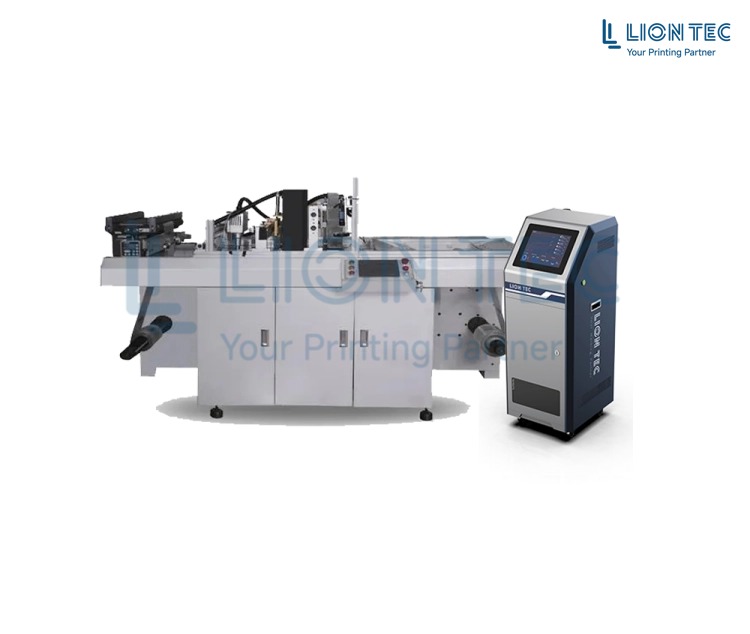
A UV Coding Printer is a sophisticated industrial inkjet system with multiple coordinated components, where the UV Printhead, ink circuit, curing unit and control system work closely together.
LIONTEC specializes in industrial UV inkjet solutions. We provide customers across various industries with equipment selection guidance, on-site commissioning, operation & maintenance training, and customized printing solutions.
If you have any inquiries regarding UV Coding Printer selection, production line upgrading, or component commissioning, please feel free to contact us.