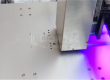
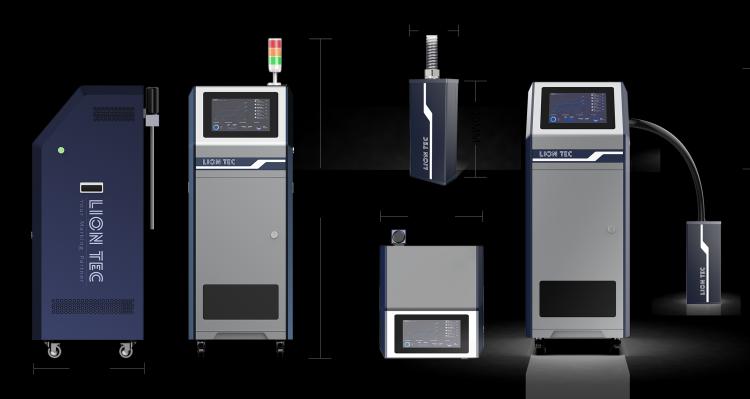
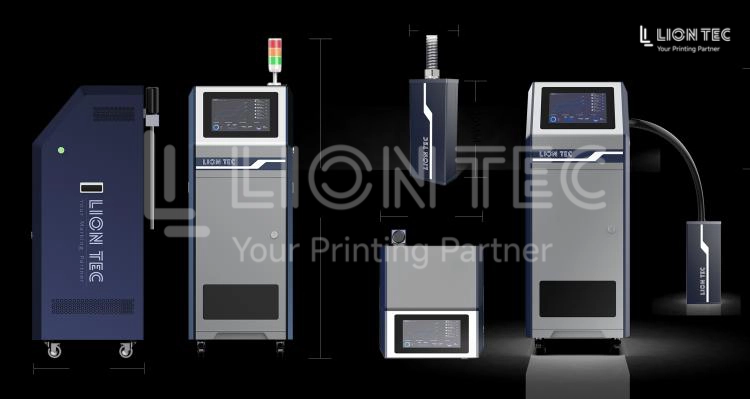
UV inkjet coding printers feature precision-built printheads. UV ink cures rapidly under ultraviolet light, which easily leads to nozzle clogging. Improper operation frequently causes missing ink, ink mist and permanent printhead damage.
Drawing on years of on-site service experience, LIONTEC standardizes the complete workflow. We unify operational steps, parameter calibration and cleaning & maintenance requirements to avoid production failures caused by inconsistent manual operations.
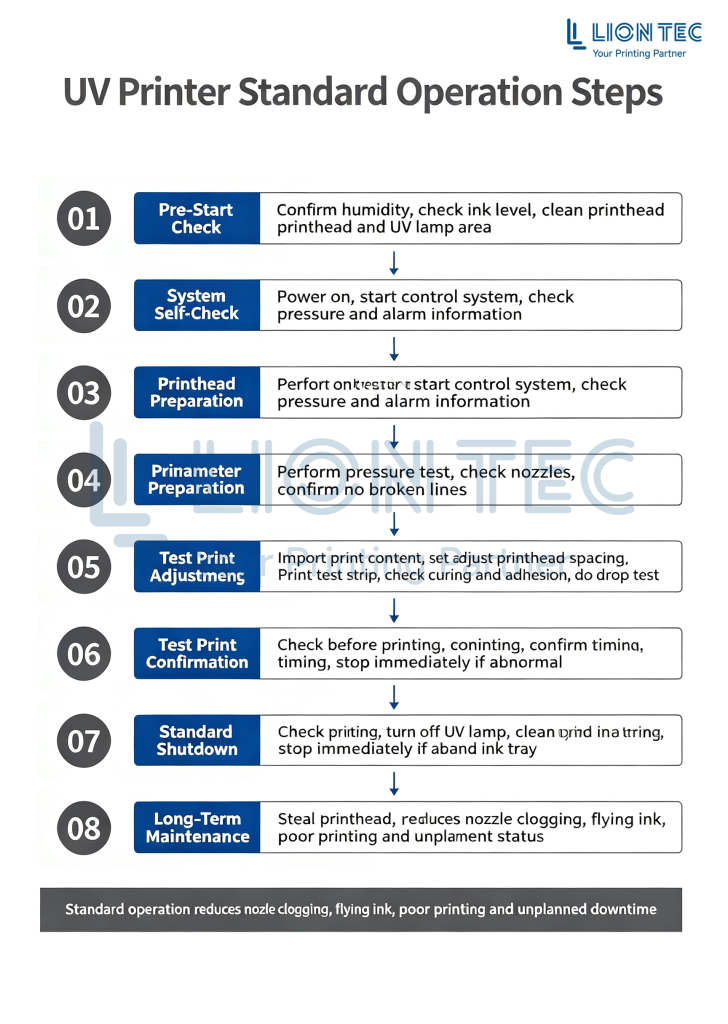
Standard Operating Steps for UV Inkjet Coding Printers
I. Pre-start Inspection
- Confirm the workshop temperature and humidity meet equipment requirements, the production conveyor runs smoothly, and no obstacles exist within the printhead travel range.
- Check residual ink volume in the ink tank. Ensure only original matching UV ink is used with no expiration or impurities; verify no leakage at ink tube connections.
- Check if the printhead protective cover has been removed. Keep the UV curing lamp shade and lens free of dust and ink stains; drain waste ink from the ink tray.
II. Power-on & System Self-check
- Switch on the main power supply, start the industrial control host and coding control system. Wait for full system self-check and confirm no fault alarms.
- Activate the negative-pressure ink supply system and wait until the negative pressure value stabilizes within the standard range.
- Run the automatic priming program. Gently wipe printhead nozzles in one direction with matched lint-free cloth. Avoid back-and-forth wiping and hard object contact with nozzle holes.
III. Parameter Debugging & Sample Verification
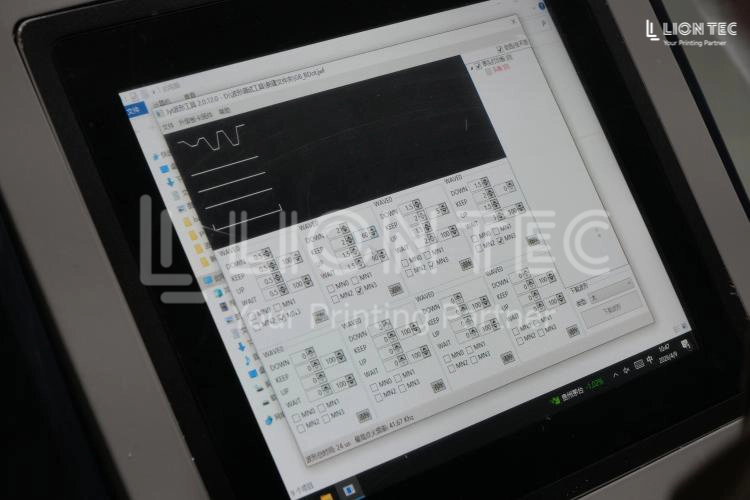
- Import or edit printing content in the operation software, set printing resolution and droplet size.
- Adjust the gap between printhead and product surface, align printing position, and set UV lamp curing power to match conveyor speed.
- Print test samples, inspect for missing lines, ink mist or ghosting. Conduct adhesion testing after full curing. Mass production can start only if printing quality meets standards.
IV. Continuous Online Printing Operation
- Turn on the conveyor and activate automatic coding. Continuously verify marking position and curing effect for the first 5 products.
- Perform nozzle sputtering every 2–4 hours during production to prevent nozzle drying. Regularly remove dust from the surface of the UV lamp.
- Pause the production line immediately once abnormalities such as missing ink or blurring occur. Do not continue production with faults and record all abnormalities.
V. Standard Shutdown Procedure
- Stop printing output and switch off the conveyor. Turn off the UV curing light source first and wait for the lamp body to cool down.
- Carry out simple printhead cleaning, wipe residual ink on nozzle surface, and clean waste liquid in the ink tray.
- Lower the printhead and fit the light-shield protective cover to avoid exposing nozzles to residual UV light.
- Turn off the negative pressure system and printing software in sequence, then cut off the main power of the equipment.
Benefits of Standardized Operation
1. Stabilize printing quality & reduce defective products
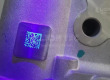
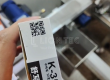
Standardize the adjustment of printhead height, conveyor speed and curing power, and unify printing parameters. QR codes and texts feature clear edges together with stable adhesion, which can minimize defects such as reprinting, smudged codes and failed scanning, lowering raw material consumption.
2. Lower failure frequency & extend printhead service life
Standardize power-on/shutdown procedures, printhead cleaning and light-shield protection. Prevent nozzle clogging, ink leakage and printhead damage caused by human misoperation, greatly cutting maintenance downtime and printhead replacement costs.
3. Simplify staff training & lower operator competency threshold
Adopt unified documented standard procedures. New operators can get proficient quickly. It avoids equipment faults stemming from inconsistent operating habits among workers and facilitates on-site workshop management.
4. Meet compliance production requirements
Complete operation records are available for pharmaceutical UDI marking, food traceability and other industries. Standardized operations support quality audits and satisfy standardized management demands for clean workshops and automated production lines.
Conclusion
LIONTEC Reminder: The printhead of UV inkjet coding printer is a precision vulnerable component. Standard operating procedures need to be consistently implemented long-term. If you require technical support for equipment commissioning or fault troubleshooting, please contact our technical team to obtain one-on-one production line adaptation solutions.