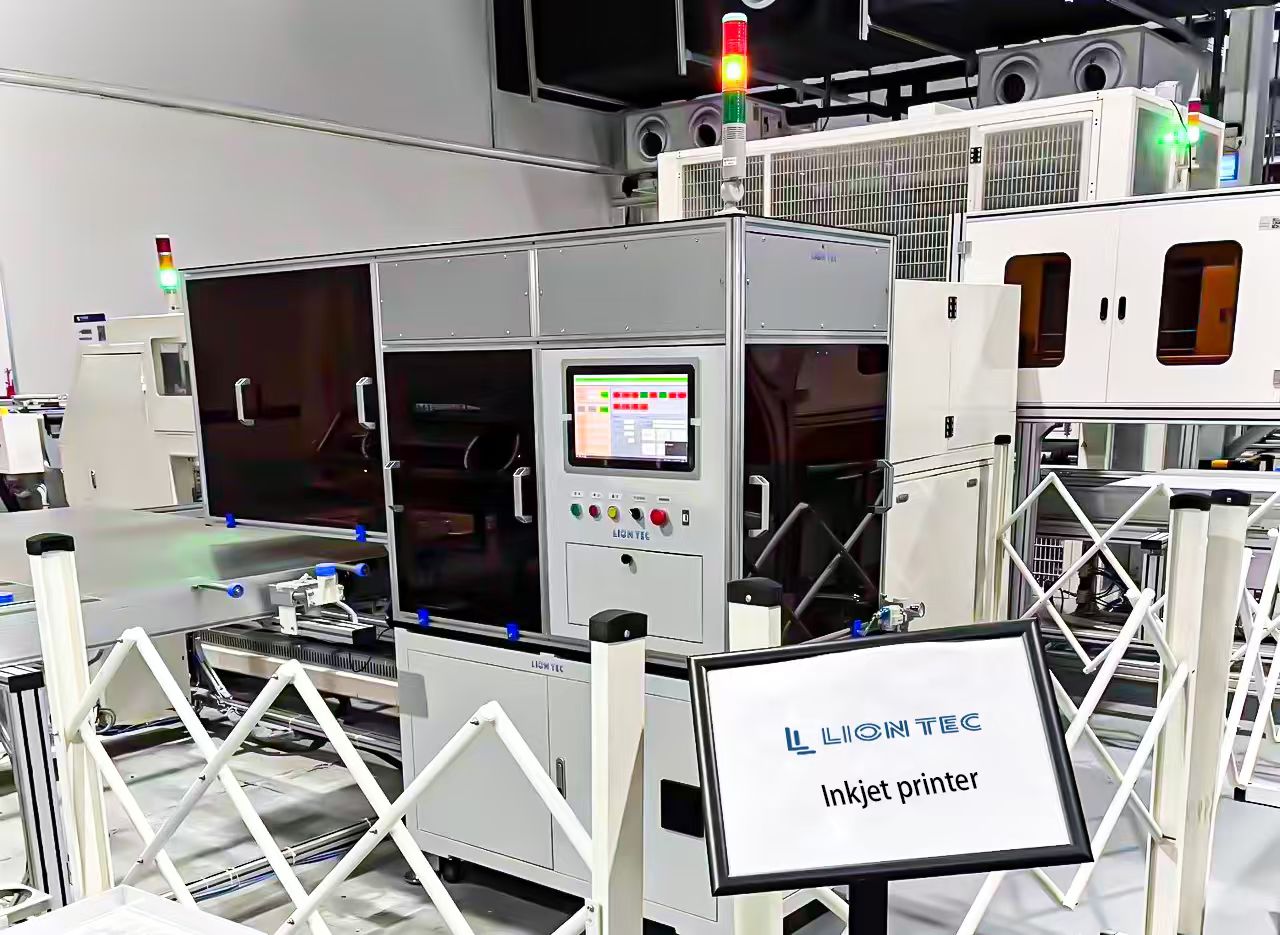
From Label Replacement to In-glass Printing
As industrial manufacturing marches toward intelligence, product identification is no longer limited to simple production date printing.
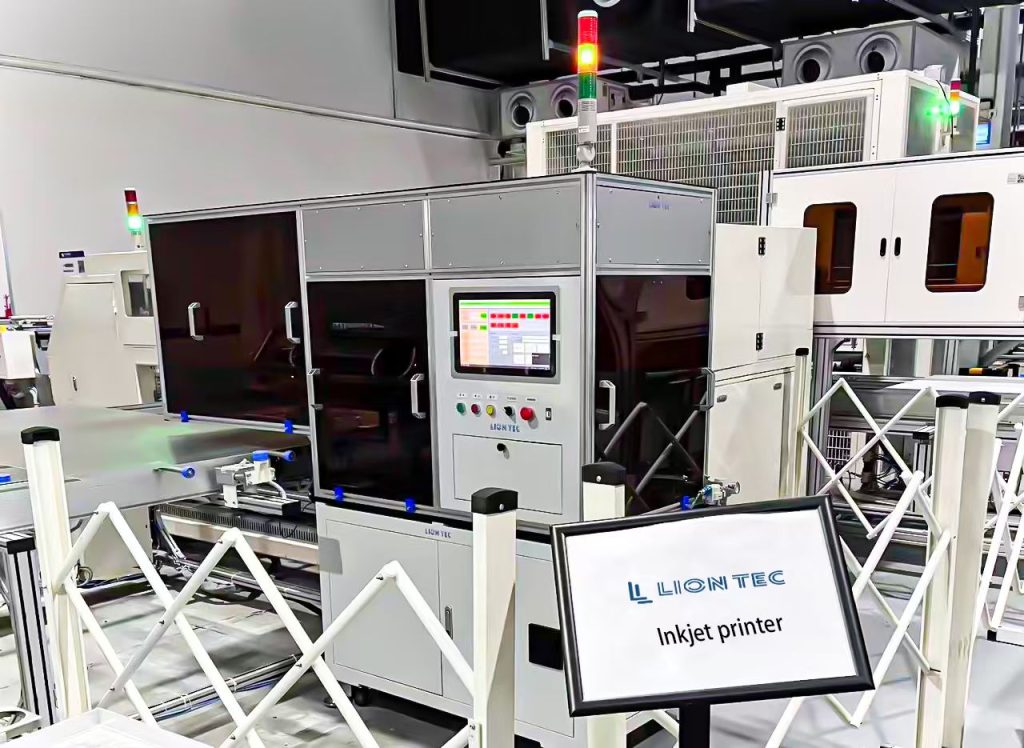
Scenarios cover consumer electronic glass panels, photovoltaic modules, pharmaceutical packaging as well as high-end construction materials. As a professional manufacturer of industrial inkjet printer equipment, LIONTEC observes that UV inkjet printer technology, with its high precision, strong adhesion and eco-friendly properties, is reshaping the full-lifecycle traceability mechanism of products from production to end consumption.
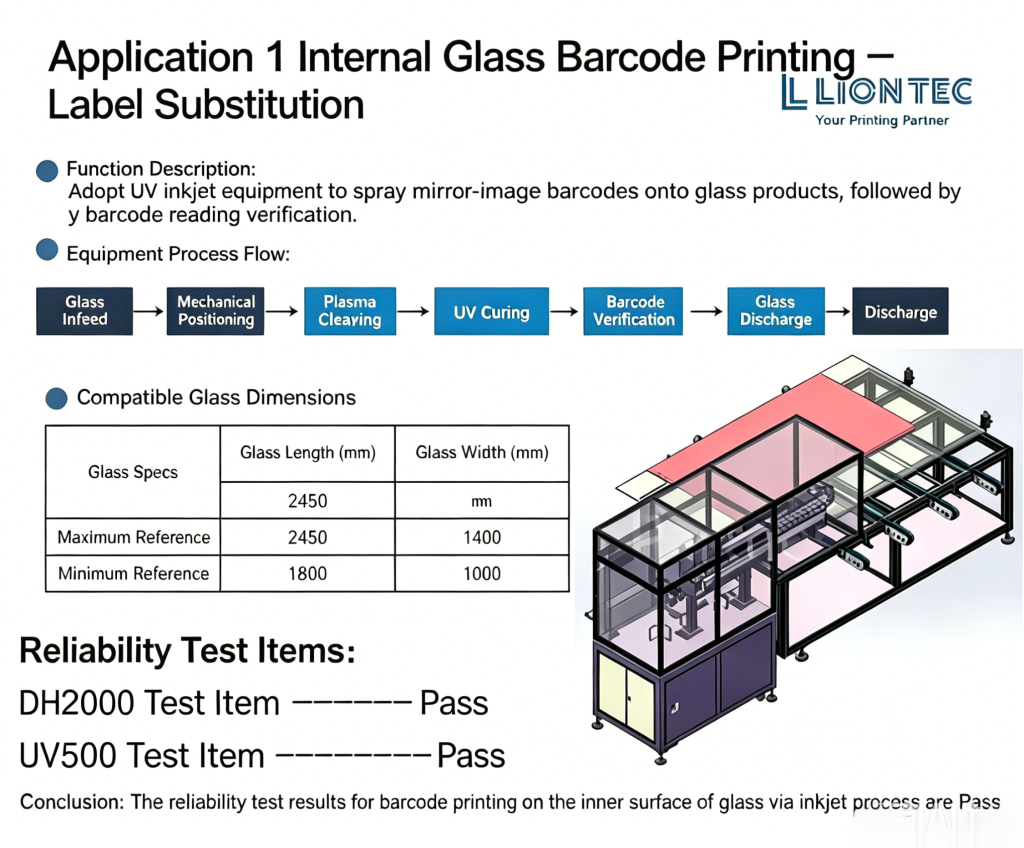
Upgrade of Printing & Identification
Traditional product identification mainly relies on two methods: adhesive labels and conventional solvent ink printing. Nevertheless, both methods have inherent defects when applied to special substrates such as glass, metal and smooth plastic surfaces. Paper labels are prone to peeling and aging under high temperature, high humidity and UV exposure environments. Meanwhile, conventional solvent-based ink suffers from poor adhesion, which easily causes blurring or abrasion of barcodes.
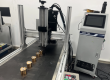
Against this backdrop, UV inkjet printer technology delivers an innovative solution. It adopts UV curable ink; industrial-grade printheads eject micro-scale ink droplets precisely onto product surfaces, where the ink instantly undergoes photopolymerization under UV irradiation and solidifies from liquid state in milliseconds. This technology brings two major breakthroughs:
-
Cost & Efficiency Revolution for Label Replacement
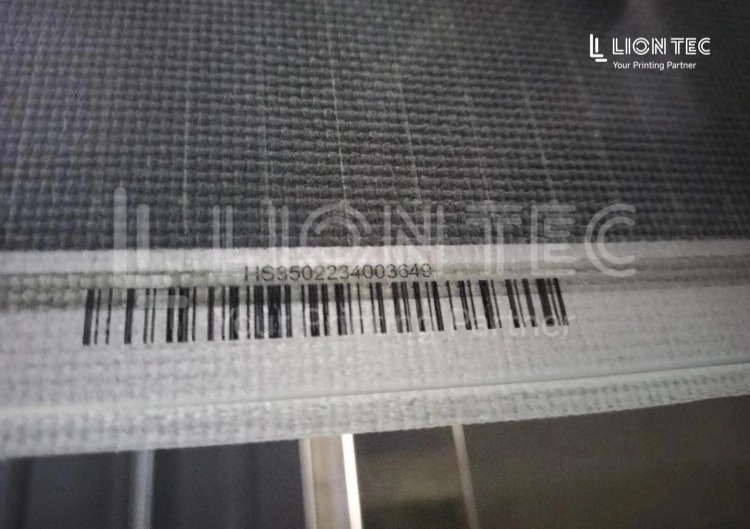
In photovoltaic glass, electronic glass and other industries, LIONTEC equipment has proven the feasibility of replacing traditional paper labels with in-glass printing. High-precision QR codes are printed inline, which physically eliminates the risk of broken traceability chains caused by label detachment. Additionally, it cuts over 90% of overall material costs by removing expenses for label paper, adhesive backing, ribbons and manual labeling procedures.
-
Durability Guarantee of In-Glass Printing
Nano-grade UV ink customized for glass substrates, combined with dedicated pretreatment processes, forms a highly adhesive cured layer. The printed marks resist washing, friction and high-temperature treatments, achieving seamless integration between the identification code and glass substrates.
Answers for Product Identification
1. Glass surfaces are extremely smooth. How does UV inkjet printer guarantee long-term adhesion and consistent scannability of barcodes?
We adopt a two-step solution to solve the adhesion issue on dense, smooth glass surfaces. First, plasma or flame pre-treatment is applied prior to printing to eliminate surface organic contaminants and create micro-roughening on the substrate for improved wettability. Second, specially-formulated UV curable ink for glass substrates is used. The coupling agents and adhesion promoters inside the ink form stable chemical bonds with the glass surface after curing. The cured ink layer features high hardness and outstanding chemical resistance, enabling it to withstand harsh working conditions including high temperature, high humidity and repeated alcohol wiping.
2. What irreplaceable advantages does UV inkjet printer have for glass marking compared with laser marking?
UV inkjet printer stands out for superior flexibility and lower overall costs under high-volume production conditions. Laser marking is a serial processing method; it runs at limited speeds and requires huge capital investment when applied to production lines with multi-batch variable data such as one-item-one-code.
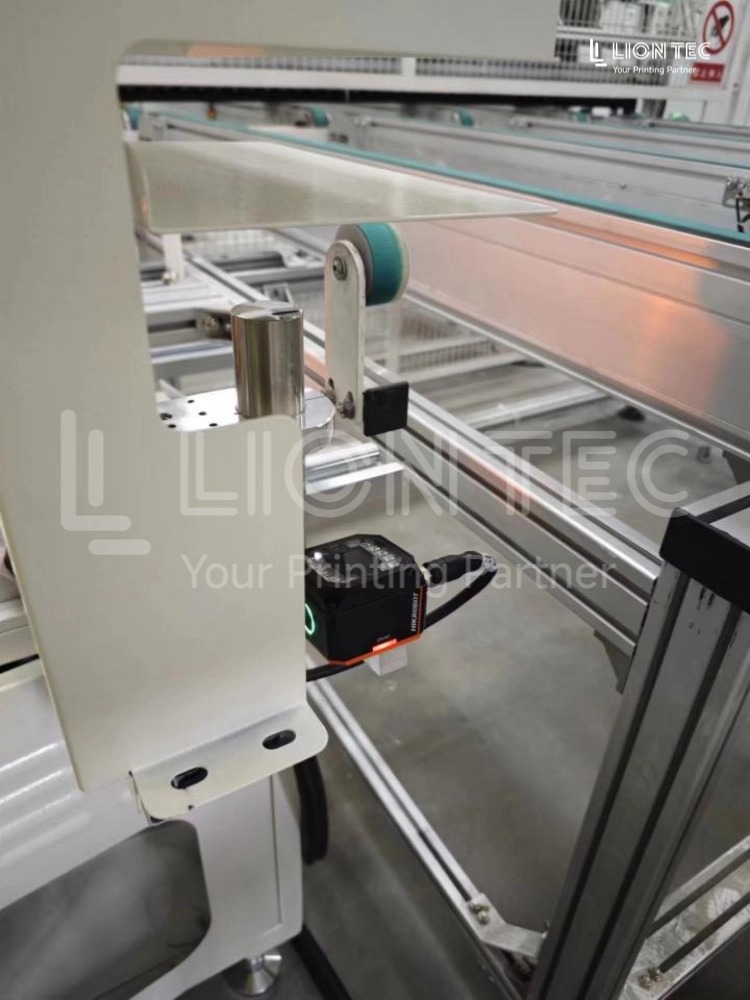
Industrial UV inkjet printer systems support array printing with multiple printheads working in parallel, which can be seamlessly integrated into high-speed assembly lines for inline data printing.
Besides, UV inkjet printing never damages the glass surface via high-energy beams, effectively preventing reduced glass mechanical strength caused by thermal stress or microcracks. This characteristic makes it especially ideal for photovoltaic glass and automotive glass that demand strict structural integrity.
Advantages of In-Glass Printing
-
Radical Cost Reduction & Productivity Improvement
It completely eliminates three major cost items: label paper, thermal ribbons and manual labeling. Annual material expenses for a single production line can be reduced from hundreds of thousands of yuan to zero. Meanwhile, automated printing runs far faster than manual labeling procedures, effectively boosting overall output capacity.
-
Reliable Full-Lifecycle Traceability
The cured in-glass printing layer boasts excellent resistance to weathering, solvents and abrasion. The printed codes remain intact and scannable throughout warehousing, transportation and long-term outdoor exposure, laying a solid data foundation for quality tracking under the Industrial Internet framework.
-
Streamlined Processes & Eco-Friendly Performance
The UV curing process releases zero solvent volatile emissions and fully complies with global environmental regulations. Removing the manual labeling step simplifies production administration and material inventory management, facilitating the upgrade of production lines toward full automation and paper-free manufacturing.
Conclusion
Product identification within the manufacturing sector has bid farewell to the era of adhesive labels. From cost-effective UV inkjet printer solutions that replace traditional labeling to durable and secure embedded in-glass printing, UV inkjet printing technology keeps opening up new possibilities for identification design and traceability management.
With years of dedicated focus on industrial UV inkjet printer solutions, LIONTEC delivers customized equipment, special inks and production line integration services for various application scenarios including photovoltaic glass, daily-use glass, electronic cover plates and packaging containers. We help manufacturing enterprises complete the digital upgrading of their product identification systems.