The stable operation of the UV Inkjet Printing Machine relies on the precise design of its ink system. It undertakes a full set of tasks including ink delivery, voltage stabilization, filtration, degassing, circulation and printhead protection, serving as the fundamental hardware combination to guarantee stable printing and consistent high-definition marking.
Ink System Commissioning and Maintenance
I. Pre-system Inspection & Preparation
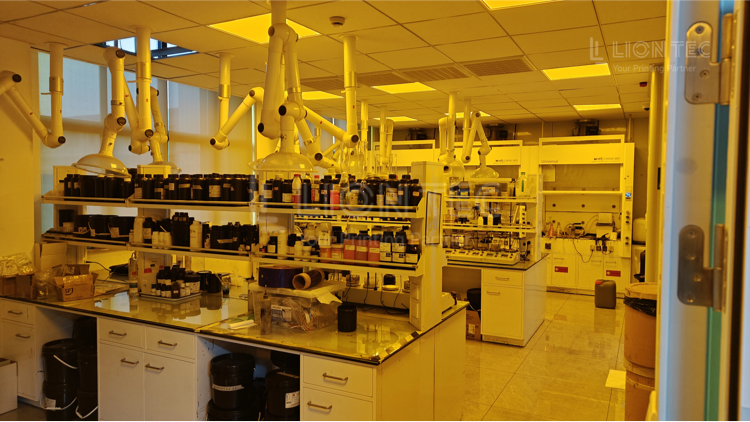
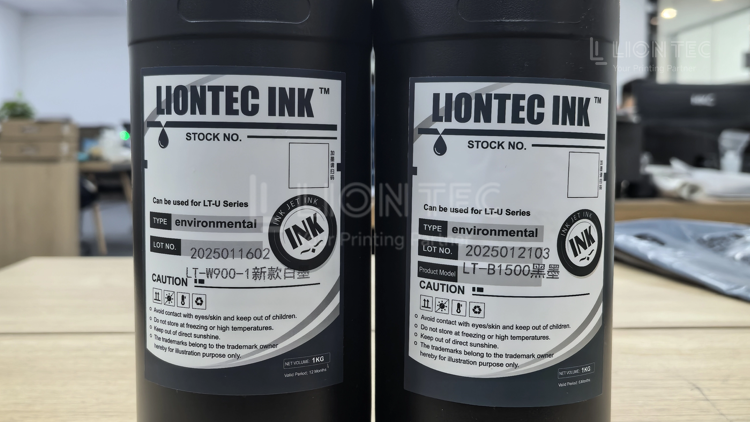
Power off the unit, inspect all pipelines and joints for cracks or leakage. Verify that all filters are within their valid service life. Confirm the ink model matches the printhead. UV inks from different brands cannot be mixed directly, as chemical reactions may form precipitates and clog pipelines. Clean the ink tank and remove old ink deposits on the tank wall.
II. Ink Filling & Air Purging Preprocessing
Fill the ink tank with compatible UV ink, keeping the volume within the marked range and avoid overfilling. Power on and activate pre-circulation mode for low-speed circulation of 10–20 minutes, to fill the whole pipeline with ink and expel most air inside. Observe the pipeline to ensure no large visible air bubbles keep flowing.
III. Negative Pressure & Ink Supply Pressure Parameter Calibration
Access the device backend and set standard negative pressure and ink supply pressure according to the printhead model. Excessively high pressure causes ink dripping or leakage from the printhead, while insufficient pressure leads to ink breakage. Turn on pressure sensors for real-time monitoring, fine-tune parameters, hold for 5–10 minutes after stabilization, and confirm no drastic pressure fluctuations.
IV. Degassing System Commissioning & Secondary Degassing
Turn on the degassing assembly for continuous circulating degassing. Tiny dissolved microbubbles in UV ink are invisible to the naked eye and require continuous processing by the degassing unit. After degassing is completed, run a printhead pre-fire test and inspect nozzle conditions for missing lines or satellite dots for your UV Inkjet Printing Machine.
V. Trial Print Verification & System Stability Confirmation
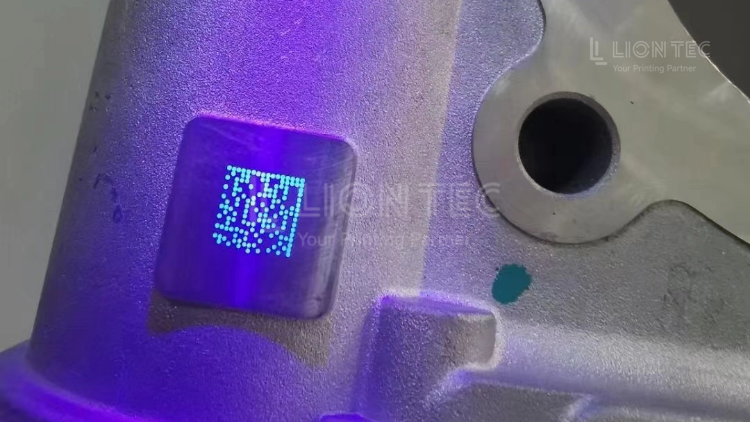
Consecutively print multiple rows of QR codes and characters on the corresponding substrate. Perform continuous printing for 30 minutes, monitor printing results and pressure curve changes. No broken lines or pressure drift indicates successful commissioning of the ink system.
VI. Routine Periodic Maintenance Procedures
Daily: Check ink tank liquid level, inspect for ink leakage and verify printing quality.
Weekly: Record system pressure data and check filter pressure differential.
Periodic: Replace filters in accordance with the equipment manual; clean and protect pipelines and printheads for long-term shutdown.
Advantages Brought by the Ink System for UV Inkjet Printing Machine
- Extend printhead service life and reduce consumable costs: Stable circulation, continuous degassing and multi-stage filtration reduce the impact of particles and air bubbles on nozzles, lower the probability of printhead damage and greatly cut down printhead replacement frequency.
- Stable printing results and fewer defective products: Constant ink pressure, free of air bubbles and precipitates, delivering clear characters without broken lines, missing jets, ink splashing or dripping. It improves the yield rate of marking and reduces product rework.
- Longer equipment maintenance cycle and less downtime: A well-designed ink system reduces the occurrence of ink clogging failures, lowers the frequency of production line stops for printhead and pipeline cleaning, and ensures continuous assembly line production.
- Meet high-speed printing requirements on multiple materials: The complete ink circulation system supports high-speed recirculation printing solutions for printheads, enabling high-resolution, high-speed online coding on various substrates including metal, PCB, photovoltaic wafers, plastic and packaging films.
Conclusion
The management of the ink system for the UV Inkjet Printing Machine centers on “prevention” rather than “repair.” From ink circulation and degassing, to regular filter replacement, to pipeline cleaning and shutdown moisturizing, every step directly affects the ink output stability and printing quality of the equipment.